Join us

ContentUpdates from The Open Source Security Foundation (OpenSSF) is a...
Link
@kaptain shared a link, 4ย months, 3ย weeks ago
FAUN.dev()

Connect Codex to MCP Servers via MCP Toolkit

OpenAI Codex just leveled up. It now hooks into Dockerโ€™sModel Context Protocol (MCP) Toolkit, which means it can tap directly into 200+ infrastructure toolsโ€”likeNeo4j graph databasesโ€”as if they were built-in features. With MCP, Codex doesnโ€™t just code. It runs containers, spins up data models, eats .. read more ย 
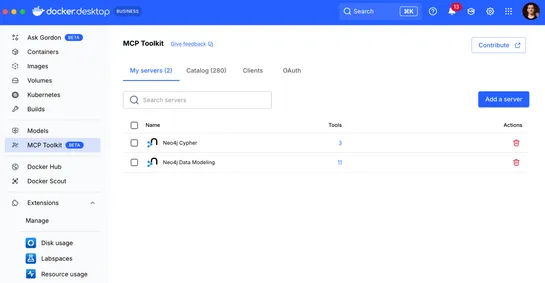
Connect Codex to MCP Servers via MCP Toolkit
Link
@kaptain shared a link, 4ย months, 3ย weeks ago
FAUN.dev()

How to Allocate Kubernetes Resource Ownership

Resource ownership in Kubernetes isnโ€™t just a nice-to-have anymoreโ€”itโ€™s turning into table stakes. Teams are usingnamespaces, RBAC, labels, quotas, and admission controllersto draw clear lines around who owns what, how much they can use, and what rules they follow. Tools likeKyverno,LimitRanges, and.. read more ย 

How to Allocate Kubernetes Resource Ownership
Link
@kaptain shared a link, 4ย months, 3ย weeks ago
FAUN.dev()

Announcing Istio 1.27.2

Istio 1.27.2 locks down TLS secret access in Gateway API mode. Now, both the namespace and service account have to match. No more half-matching your way in. It also drops the install order dependency betweenistioctlโ€™s pilot and CNI. You can now install those in whatever order your chaos-loving soul .. read more ย 

Announcing Istio 1.27.2
Link
@kaptain shared a link, 4ย months, 3ย weeks ago
FAUN.dev()

Hardened Images: crafted by humans, protected by AI

Docker just wired anAI guardrailstraight into its Hardened Image (DHI) pipeline. It scans upstream diffs, catches regressions before they ship, and stops bad logic in its tracks. Case in point: it flagged a logic bug that slipped past the usual coding copilots. A real fix landed upstream. Win for cu.. read more ย 

Hardened Images: crafted by humans, protected by AI
News FAUN.dev() Team
@kaptain shared an update, 4ย months, 3ย weeks ago
FAUN.dev()

Mirantis Launches Pelagia for Enhanced Ceph Management on Kubernetes

#open so...ย  #pelagiaย  #cephย  #rookย  #kuberne...ย 
Rook Pelagia Kubernetes Ceph

Mirantis introduces Pelagia, an open source tool to streamline Ceph storage management on Kubernetes, advancing automation and integration with GitOps workflows.

News FAUN.dev() Team
@kaptain shared an update, 4ย months, 3ย weeks ago
FAUN.dev()

Mirantis Releases k0rdent 1.2.0 - The Open Source Distributed Container Management Platform

Kubernetes k0rdent

Mirantis releases k0rdent 1.2.0, advancing Kubernetes management with new features, ARM64 support, and improved observability using OpenTelemetry.

Mirantis Releases k0rdent 1.2.0 - The Open Source Distributed Container Management Platform
Story
@laura_garcia shared a post, 5ย months ago
Software Developer, RELIANOID

๐—ฅ๐—˜๐—Ÿ๐—œ๐—”๐—ก๐—ข๐—œ๐—— ๐—ถ๐˜€ ๐——๐—ข๐—ฅ๐—”-๐—ฟ๐—ฒ๐—ฎ๐—ฑ๐˜†! ๐Ÿš€

Weโ€™re proud to announce our compliance with the ๐—˜๐—จ ๐——๐—ถ๐—ด๐—ถ๐˜๐—ฎ๐—น ๐—ข๐—ฝ๐—ฒ๐—ฟ๐—ฎ๐˜๐—ถ๐—ผ๐—ป๐—ฎ๐—น ๐—ฅ๐—ฒ๐˜€๐—ถ๐—น๐—ถ๐—ฒ๐—ป๐—ฐ๐—ฒ ๐—”๐—ฐ๐˜ (๐——๐—ข๐—ฅ๐—”) โ€” ensuring our solutions meet the highest standards of ๐˜€๐—ฒ๐—ฐ๐˜‚๐—ฟ๐—ถ๐˜๐˜†, ๐—ฟ๐—ฒ๐˜€๐—ถ๐—น๐—ถ๐—ฒ๐—ป๐—ฐ๐—ฒ, ๐—ฎ๐—ป๐—ฑ ๐—ผ๐—ฝ๐—ฒ๐—ฟ๐—ฎ๐˜๐—ถ๐—ผ๐—ป๐—ฎ๐—น ๐—ฐ๐—ผ๐—ป๐˜๐—ถ๐—ป๐˜‚๐—ถ๐˜๐˜† for the financial sector. Our load balancing technology helps financial institutions achieve cyber resi..

dora compliant RELIANOID
Story
@laura_garcia shared a post, 5ย months ago
Software Developer, RELIANOID

Adaptive Load Balancing is a game-changer in distributed computing.

Unlike static approaches, it continuously monitors system metricsโ€”CPU, memory, network usageโ€”to dynamically allocate resources and ensure top performance and efficiency. Key Benefits: โš™๏ธ Scalability โ€“ Seamless response to traffic spikes ๐Ÿ”„ Fault Tolerance โ€“ Automatic rerouting from underperforming no..

Knowledge base_Adaptive Load Balancing_relianoid
News FAUN.dev() Team
@devopslinks shared an update, 5ย months ago
FAUN.dev()

Git 3.0 to Launch by 2026 with SHA-256 for Enhanced Security

#sha-256ย  #git 3.0ย  #version...ย  #technic...ย  #gitย 
git

Git 3.0, set for release by 2026, will adopt SHA-256 for improved security and performance, modernizing the platform.

Git 3.0 to Launch by 2026 with SHA-256 for Enhanced Security
News FAUN.dev() Team
@kala shared an update, 5ย months ago
FAUN.dev()

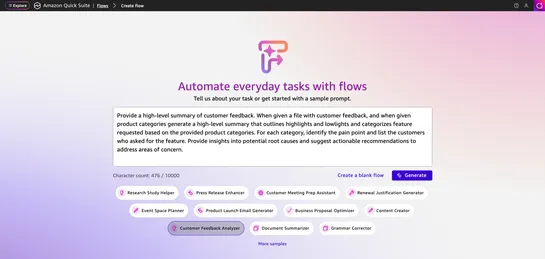
Amazon Launches Quick Suite: "The AI Teammate"

Amazon Web Services

Amazon introduces Quick Suite, an AI-driven tool to boost workplace efficiency by integrating research, business intelligence, and automation into one platform.

Amazon Launches Quick Suite: "The AI Teammate"
The Open Source Security Foundation (OpenSSF) is an industry-backed foundation focused on strengthening the security of the global open source software ecosystem. It brings together major technology companies, cloud providers, open source communities, and security experts to address systemic security challenges that affect how software is built, distributed, and consumed.

OpenSSF was launched in 2021 and operates under the Linux Foundation, combining efforts from earlier initiatives such as the Core Infrastructure Initiative (CII) and industry-led supply chain security programs. Its mission is to make open source software more trustworthy, resilient, and secure by default, without placing unrealistic burdens on maintainers.

The foundation works across several key areas:

- Supply chain security: Developing frameworks, best practices, and tools to secure the software lifecycle from source to deployment. This includes stewardship of projects like sigstore and leadership on SLSA (Supply-chain Levels for Software Artifacts).

- Security tooling: Supporting and incubating open source tools that help developers detect, prevent, and remediate vulnerabilities at scale.

- Vulnerability management: Improving how vulnerabilities are discovered, disclosed, scored, and fixed across open source projects.

- Education and best practices: Publishing guidance, training, and maturity models such as the OpenSSF Best Practices Badge Program, which helps projects assess and improve their security posture.

- Metrics and research: Advancing data-driven approaches to understanding open source security risks and ecosystem health.

OpenSSF operates through working groups and special interest groups (SIGs) that focus on specific problem areas like securing builds, improving dependency management, or automating provenance generation. This structure allows practitioners to collaborate on concrete, actionable solutions rather than high-level policy alone.

By aligning maintainers, enterprises, and security teams, OpenSSF plays a central role in reducing large-scale risks such as dependency confusion, compromised build systems, and malicious package injection. Its work underpins many modern DevSecOps and cloud-native security practices and is increasingly referenced by governments and enterprises as a baseline for secure software development.