Join us

ContentUpdates and recent posts about AWX..
Link
@devopslinks shared a link, 4 weeks, 1 day ago
FAUN.dev()

How incidents can teach us about what’s already working well

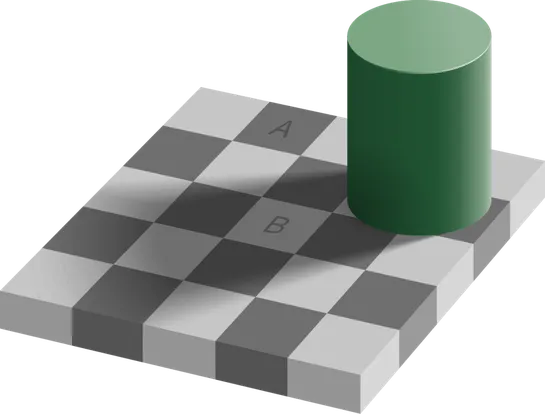
A famous optical illusion developed by Edward H. Adelson shows that two squares, despite appearing different in shade, are actually the same gray. This illusion demonstrates how the brain processes light, shadow, and objects when interpreting visual signals from the optic nerve. Studying such illusi.. read more  
How incidents can teach us about what’s already working well
Link
@devopslinks shared a link, 4 weeks, 1 day ago
FAUN.dev()

The most severe Linux threat to surface in years catches the world flat-footed

Publicly released exploit code for a critical privilege escalation vulnerability in Linux, known as CopyFail (CVE-2026-31431), allows attackers to gain root access across all vulnerable distributions with a single piece of code. The researchers from Theori disclosed the vulnerability 5 weeks after n.. read more  

The most severe Linux threat to surface in years catches the world flat-footed
Link
@devopslinks shared a link, 4 weeks, 1 day ago
FAUN.dev()

The Silent Failure of Reliability Metrics at Scale: Lessons Learned from a Decade of Broken Metrics

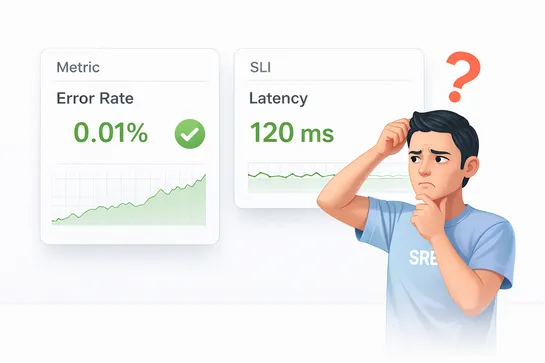
At scale, observability breaks whenSLIsand metrics mix different behaviors and lose clear meaning. Complexity grows: more event types, extra labels, and risingcardinality. That bloats queries, slows evaluation pipelines, and distortsPrometheus,PromQL, andElasticmetrics. Why this matters:Teams must t.. read more  

The Silent Failure of Reliability Metrics at Scale: Lessons Learned from a Decade of Broken Metrics
Link
@devopslinks shared a link, 4 weeks, 1 day ago
FAUN.dev()

The Human Infrastructure: How Netflix Built the Operations Layer Behind Live at Scale

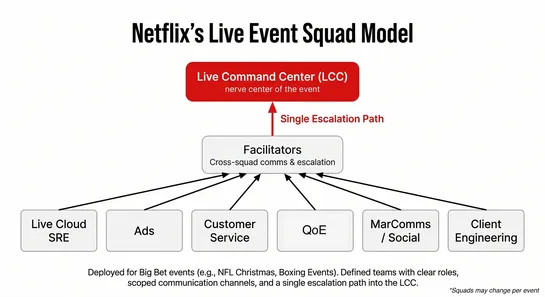
Netflix has massively scaled its live content, now streaming over nine shows per day with up to 17.9M peak viewers per game, thanks to a complex Broadcast Operations Center, strict transmission quality standards, and a tiered human operations model, including specialized engineering teams and dedica.. read more  

The Human Infrastructure: How Netflix Built the Operations Layer Behind Live at Scale
Link
@devopslinks shared a link, 4 weeks, 1 day ago
FAUN.dev()

The Software Development Lifecycle Is Dead

AI agents collapse the classicSDLC-requirements,design,implementation,testing,review,deployment- into an intent-driven loop. They generate code, tests, and pipelines together. They commit tomain. Automated verification runs. Deployment and release split withfeature flags... read more  

News FAUN.dev() Team Trending
@devopslinks shared an update, 4 weeks, 1 day ago
FAUN.dev()

Ubuntu's Next Chapter: Local AI, Confined Agents, and a Bet Against the Cloud-First OS

Ubuntu Ollama Snap

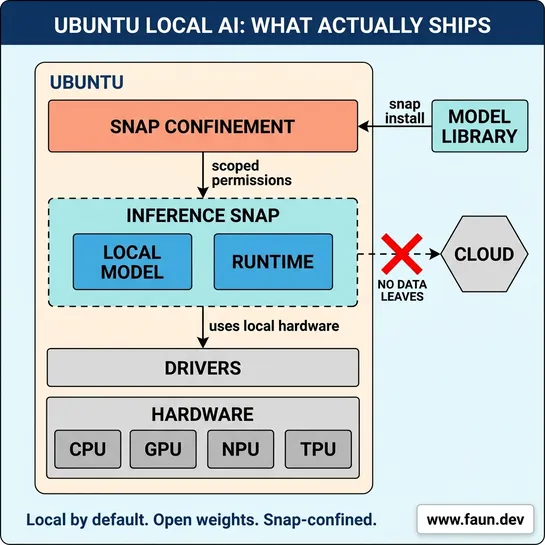
Ubuntu is getting local AI as a native capability over the next year, with inference snaps that install models like any other package, AI-powered accessibility features, and confined agentic workflows for both desktops and server fleets. Canonical is betting on open weight models, local-by-default inference, and snap confinement, a deliberate counter to the cloud-first AI direction Microsoft, Apple, and Google are taking with their operating systems.

Ubuntu's Next Chapter: Local AI, Confined Agents, and a Bet Against the Cloud-First OS
 Activity
@devopslinks added a new tool Snap , 4 weeks, 1 day ago.
 Activity
@kala added a new tool Ollama , 4 weeks, 1 day ago.
Story Keploy Team
@sancharini shared a post, 1 month ago

Building Automated Regression Testing From Scratch: A Complete Walkthrough

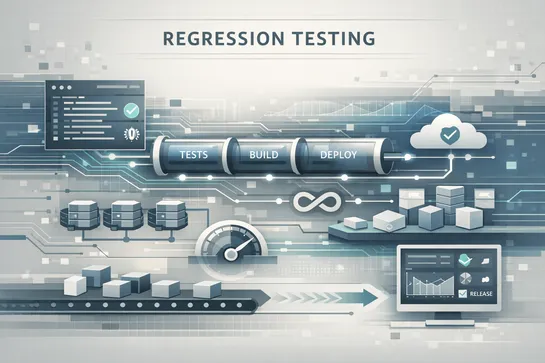
Learn how to build automated regression testing from scratch in 4-6 weeks. Step-by-step walkthrough covering phases, implementation, tools, and avoiding mistakes.

regression testing services
Story Trending
@elsie-rainee shared a post, 1 month ago
Full Stack Engineer, WPWeb Infotech

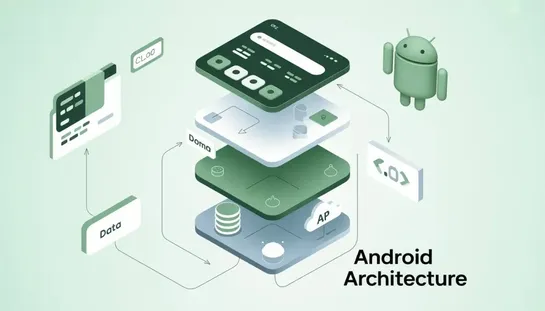
Android Architecture: Components, Patterns & Best Practices Guide

Learn Android architecture with components, patterns, and best practices to build mobile apps that are scalable, easy to maintain, and high-performing.

Android Architecture
AWX is the open source, community supported upstream project for Red Hat Ansible Automation Platform, formerly known as Ansible Tower. It gives teams a web based interface, a full REST API, and a distributed task engine on top of Ansible, turning command line playbook runs into a managed, auditable automation service.

The project began at AnsibleWorks as the commercial Ansible Tower product, and after Red Hat acquired Ansible, it open sourced the codebase as AWX in September 2017, positioning it as the development ground where new features land before they are hardened into the supported Automation Platform controller. With AWX, you organize automation around projects (synced from Git or other source control), inventories (static or dynamically pulled from cloud providers), credentials (stored encrypted and injected at runtime), and job templates that tie a playbook to its inventory and credentials. On top of that, it adds role based access control, a visual dashboard, job scheduling, workflow chaining, webhooks, and real time job output, so multiple teams can run, track, and delegate automation without sharing SSH keys or sitting at a terminal.

Modern AWX runs on Kubernetes or OpenShift through the AWX Operator, which manages installation, upgrades, and scaling declaratively, reflecting its shift from a single host application to a cloud native, container based platform. Because it is the upstream of a paid product, AWX moves fast and ships frequently, which makes it ideal for labs, learning, and self managed deployments, though teams needing formal support and long term stability typically run the downstream Automation Platform instead.