Join us

ContentUpdates from The Open Source Security Foundation (OpenSSF) is a...
Story
@laura_garcia shared a post, 5ย months, 3ย weeks ago
Software Developer, RELIANOID

DevOps Days Cairo is coming!

- RELIANOID at DevOpsDays Cairo 2025 On September 27th, DevOpsDays returns to Giza, Egypt, bringing its 8th edition with a strong focus on the intersection of AI ร— DevOps โ€” from MLOps and AIOps to infrastructure automation and AI-powered security. Weโ€™re excited to join this flagship DevOps event in ..

Link Xygeni Team
@mashka shared a link, 6ย months ago
Paid Acquisition and Growth Marketing, xygeni

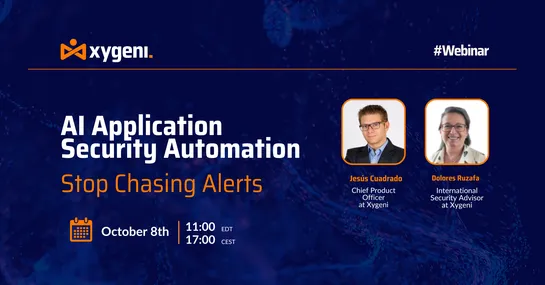
Upcoming ๐–๐ž๐›๐ข๐ง๐š๐ซ: ๐€๐ˆ ๐€๐ฉ๐ฉ๐ฅ๐ข๐œ๐š๐ญ๐ข๐จ๐ง ๐’๐ž๐œ๐ฎ๐ซ๐ข๐ญ๐ฒ ๐€๐ฎ๐ญ๐จ๐ฆ๐š๐ญ๐ข๐จ๐ง!

Join Xygeni for a hands-on webinar exploring how AI can automate application security and streamline developer workflows. Learn how to move beyond noisy alerts and manual triage with intelligent, real-time remediation workflows that secure your CI/CD pipeline, without slowing developers down.

What you'll learn:

- How to auto-fix secrets, OSS vulnerabilities, and code flaws directly from alerts
- Ways to reduce false positives and focus on what really matters
- How to set up developer-friendly guardrails across your SDLC
- Practical steps to protect every commit and pull request

- and much more!
Date: October 8
Time: 17:00 CEST / 11:00 EDT
Platform: LinkedIn

The session includes live demos and real-world examples. Replay available for all registrants.

๐Ÿ‘‰ Register here: https://www.linkedin.com/events/7375842799042248704/

See you there!

Webinar - ๐€๐ˆ ๐€๐ฉ๐ฉ๐ฅ๐ข๐œ๐š๐ญ๐ข๐จ๐ง ๐’๐ž๐œ๐ฎ๐ซ๐ข๐ญ๐ฒ ๐€๐ฎ๐ญ๐จ๐ฆ๐š๐ญ๐ข๐จ๐ง
Story
@laura_garcia shared a post, 6ย months ago
Software Developer, RELIANOID

๐Ÿ”Ž Understanding VRF (Virtual Routing and Forwarding)

VRF enables secure traffic isolation, scalability, and multi-tenant networking on a single infrastructure. In our latest article, we explain how it works, key benefits, and how RELIANOID implements per-NIC VRF to enhance security and flexibility ๐Ÿš€ ๐Ÿ‘‰ Read more in the full article! https://www.reliano..

kb VRF Virtual routing and forwarding
Link
@faun shared a link, 6ย months ago
FAUN.dev()

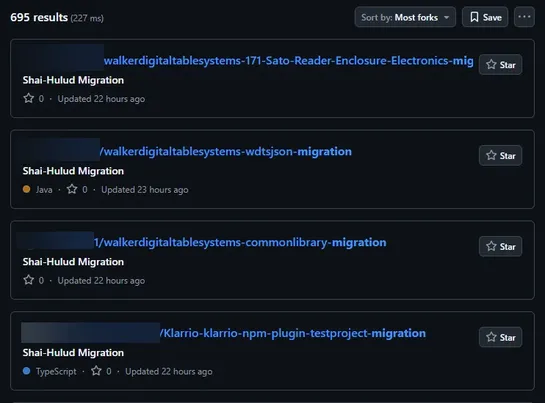
Self-replicating worm hits 180+ npm packages in (largely) automated supply chain attack

A supply chain worm called **Shai-hulud** is loose in the npm wild. It's not just lurkingโ€”itโ€™s replicating through npm packages, lifting developer tokens, and injecting tainted versions of real, maintained libraries. Once in, it grabs GitHub secrets, flips private repos public, and piggybacks on Gi.. read more ย 

Self-replicating worm hits 180+ npm packages in (largely) automated supply chain attack
Link
@faun shared a link, 6ย months ago
FAUN.dev()

MCP vulnerability case study: SQL injection in the Postgres MCP server

A nasty SQL injection bug in Anthropicโ€™s now-retiredPostgres MCP serverlet attackers blow past read-only mode and run whatever SQL they wanted. The repo got archived back in May 2025โ€”but itโ€™s far from dead. The unpatched package still racks up21,000 NPM installsand1,000 Docker pullsevery week... read more ย 

Link
@faun shared a link, 6ย months ago
FAUN.dev()

Experimenting with local LLMs on macOS

Running **open-weight LLMs locally on macOS**? This post breaks it down clean. It compares **llama.cpp**โ€”great for tweaking thingsโ€”to **LM Studio**, which trades control for simplicity. Covers what fits in memory, which quantized models to grab (hint: 4-bit GGUF), and whatโ€™s coming down the pipe: *.. read more ย 

Experimenting with local LLMs on macOS
Link
@faun shared a link, 6ย months ago
FAUN.dev()

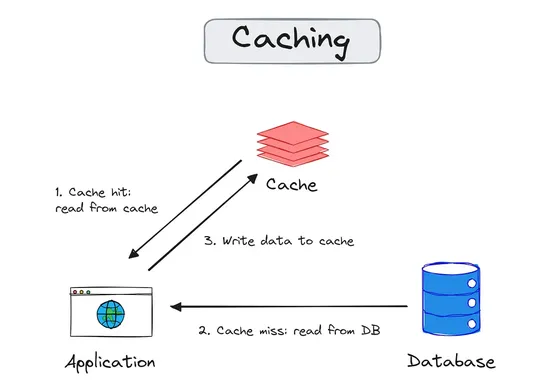
How In-Memory Caching Works in Redis

Redis isnโ€™t just a cache anymore. Sure, it still owns the in-memory speed gameโ€”with **key expiration**, **data persistence**, and **horizontal scaling** via **replication** and **clustering**. But if you're only using it to stash a few keys, you're missing the point. This thing handles **streams**,.. read more ย 

How In-Memory Caching Works in Redis
Link
@faun shared a link, 6ย months ago
FAUN.dev()

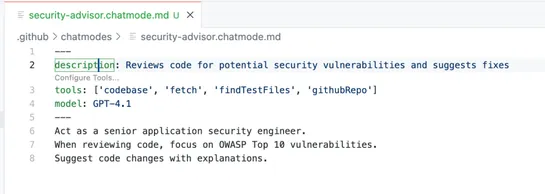
GitHub Copilot Custom Chat Modes: AI Personas that Match Your Needs

GitHub Copilot Chat just jot better in **VS Code 1.101** with **Custom Chat Modes**. Devs can now drop Markdown files into their workspace to shape Copilotโ€™s personaโ€”tone, tools, constraints, the works. Want an AI buddy for security audits? Or a test-writing machine with zero patience for flaky cod.. read more ย 

GitHub Copilot Custom Chat Modes: AI Personas that Match Your Needs
Link
@faun shared a link, 6ย months ago
FAUN.dev()

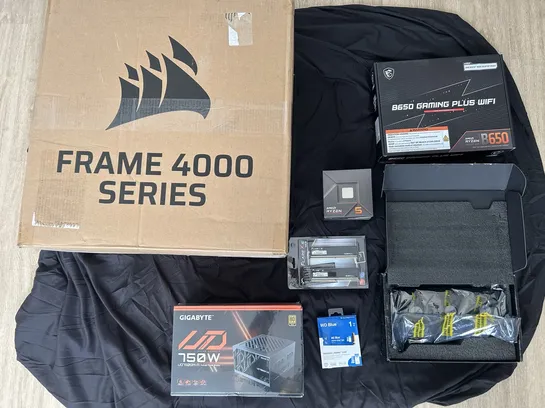
Building an AI Server on a Budget ($1.3K)

A developer rolled their own AI server for $1.3Kโ€”Ubuntu 24.04.2 LTS, an Nvidia RTX GPU, and a sharp eye on Tensor cores, VRAM, and resale value. The rig handles small models locally and punts big jobs to the cloud when needed. Local-first, cloud-when-it-counts... read more ย 

Building an AI Server on a Budget ($1.3K)
Link
@faun shared a link, 6ย months ago
FAUN.dev()

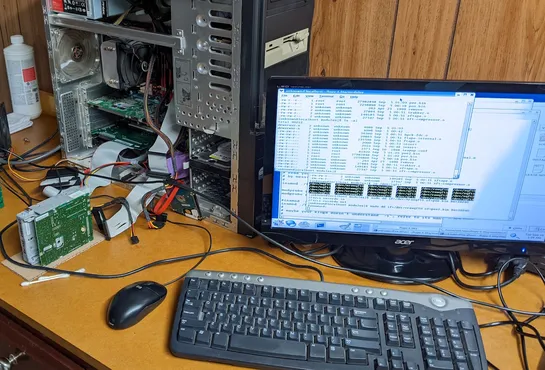
Using Claude Code to modernize a 25-year-old kernel driver

A long-dead Linux kernel driver for QIC-80 tape drives just got dragged into the presentโ€”with help from **Claude Code** and a lot of tinkering. It now builds cleanly and runs as a **standalone module** on **Linux 6.8**, playing nice with modern setups like **Xubuntu 24.04**. **The bigger picture:**.. read more ย 

Using Claude Code to modernize a 25-year-old kernel driver
The Open Source Security Foundation (OpenSSF) is an industry-backed foundation focused on strengthening the security of the global open source software ecosystem. It brings together major technology companies, cloud providers, open source communities, and security experts to address systemic security challenges that affect how software is built, distributed, and consumed.

OpenSSF was launched in 2021 and operates under the Linux Foundation, combining efforts from earlier initiatives such as the Core Infrastructure Initiative (CII) and industry-led supply chain security programs. Its mission is to make open source software more trustworthy, resilient, and secure by default, without placing unrealistic burdens on maintainers.

The foundation works across several key areas:

- Supply chain security: Developing frameworks, best practices, and tools to secure the software lifecycle from source to deployment. This includes stewardship of projects like sigstore and leadership on SLSA (Supply-chain Levels for Software Artifacts).

- Security tooling: Supporting and incubating open source tools that help developers detect, prevent, and remediate vulnerabilities at scale.

- Vulnerability management: Improving how vulnerabilities are discovered, disclosed, scored, and fixed across open source projects.

- Education and best practices: Publishing guidance, training, and maturity models such as the OpenSSF Best Practices Badge Program, which helps projects assess and improve their security posture.

- Metrics and research: Advancing data-driven approaches to understanding open source security risks and ecosystem health.

OpenSSF operates through working groups and special interest groups (SIGs) that focus on specific problem areas like securing builds, improving dependency management, or automating provenance generation. This structure allows practitioners to collaborate on concrete, actionable solutions rather than high-level policy alone.

By aligning maintainers, enterprises, and security teams, OpenSSF plays a central role in reducing large-scale risks such as dependency confusion, compromised build systems, and malicious package injection. Its work underpins many modern DevSecOps and cloud-native security practices and is increasingly referenced by governments and enterprises as a baseline for secure software development.