Join us

ContentUpdates from FAUN.dev()...
Link
@faun shared a link, 8 months ago
FAUN.dev()

Hermes V3: Building Swiggy’s Conversational AI Analyst

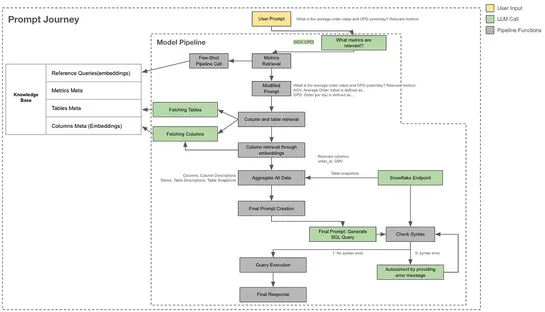
Swiggy just gave its GenAI tool, Hermes, a serious glow-up. What started as a simple text-to-SQL bot is now acontext-aware AI analystthat lives inside Slack. The upgrade? Not just tweaks—an overhaul. Think: vector-based prompt retrieval, session-level memory, an Agent orchestration layer, and a SQL.. read more  
Hermes V3: Building Swiggy’s Conversational AI Analyst
Story
@laura_garcia shared a post, 8 months ago
Software Developer, RELIANOID

RELIANOID Load Balancer Community Edition v7 on AWS using Terraform

🚀 New Guide Available! Learn how to quickly deploy RELIANOID Load Balancer Community Edition v7 on AWS using Terraform. Our step-by-step article shows you how to provision everything automatically — from VPCs and subnets to EC2 and key pairs — in just minutes. 👉 https://www.relianoid.com/resources/k..

Knowledge base Deploy RELIANOID Load Balancer Community Edition v7 with Terraform on AWS
Link
@faun shared a link, 8 months ago
FAUN.dev()

AWS, Microsoft and Google unite behind Linux Foundation DocumentDB database to cut enterprise costs and limit vendor lock-in

Document databases are crucial for AI apps in the gen AI era. Microsoft's open-source DocumentDB project, based on PostgreSQL, is moving to the Linux Foundation, offering a vendor-neutral, open-source alternative to MongoDB. DocumentDB's compatibility with MongoDB drivers and open source governance .. read more  

Link
@faun shared a link, 8 months ago
FAUN.dev()

Deploy a containerized application with Kamal and Terraform

A Docker-first workflow combinesTerraformandKamalinto a lean, Elastic Beanstalk-ish alternative—without the bloat. Terraform spins up a three-tier VPC and wires it toECR. Kamal takes it from there, booting containers on a raw EC2 box: app, proxy, monitor. One script. Done... read more  

Deploy a containerized application with Kamal and Terraform
Link
@faun shared a link, 8 months ago
FAUN.dev()

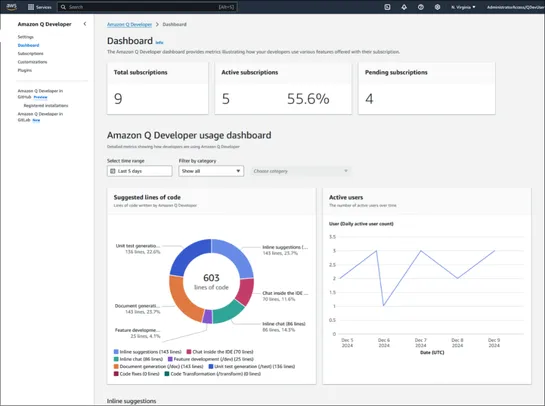
Measuring Developer Productivity with Amazon Q Developer and Jellyfish

Amazon Q Developer now plugs into Jellyfish. Teams get a clearer view of how AI fits into the real flow of work—prompt usage, code adoption, PR throughput. Not just surface stats. The setup pipes data from AWS S3 straight into Jellyfish’s analytics engine. It tags AI users, tracks velocity gains, an.. read more  

Measuring Developer Productivity with Amazon Q Developer and Jellyfish
Link
@faun shared a link, 8 months ago
FAUN.dev()

Sandboxed to Compromised: New Research Exposes Credential Exfiltration Paths in AWS Code Interpreters

Researchers poked holes insandboxed Bedrock AgentCore code interpreters—and found a way to leak execution role credentials through theMicroVM Metadata Service (MMDS). No outside network? Doesn’t matter. The exploit dodges basic string filters in requests and lets non-agentic code swipe AWS creds to .. read more  

Link
@faun shared a link, 8 months ago
FAUN.dev()

Being on the Same Page During an Incident: Not Actually Telepathy

Collaboration in incident response is crucial for effective resolution, starting with establishing a basic compact among responders. Grounding is a process that ensures alignment and common ground is maintained throughout an incident, encompassing initial common ground, public events so far, and the.. read more  

Link
@faun shared a link, 8 months ago
FAUN.dev()

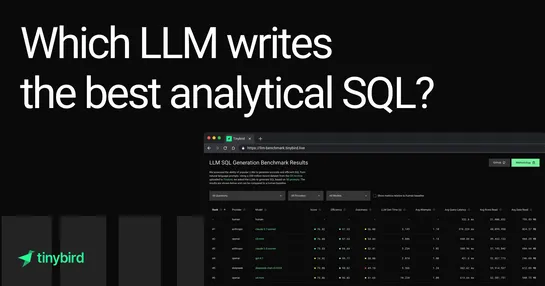
Which LLM writes the best analytical SQL?

Tinybird threw 19 top LLMs at a 200M-row GitHub dataset, testing how well they could turn plain English into solid SQL. Most models kept their syntax clean—but when it came to writing SQL that actually ran well and returned the right results, they lagged behind human pros. Messy schemas or tricky pr.. read more  

Which LLM writes the best analytical SQL?
Link
@faun shared a link, 8 months ago
FAUN.dev()

Container Logs in Kubernetes: How to View and Collect Them

This guide shows how to wrangle container logs in Kubernetes—usingkubectl, shell tools, structured logging, and the Kubernetes Dashboard. It covers the basics and dives into how to scale up log collection and make observability less painful across clusters... read more  

Container Logs in Kubernetes: How to View and Collect Them
Link
@faun shared a link, 8 months ago
FAUN.dev()

Building a Scalable, Flexible, Cloud-Native GenAI Platform with Open Source Solutions

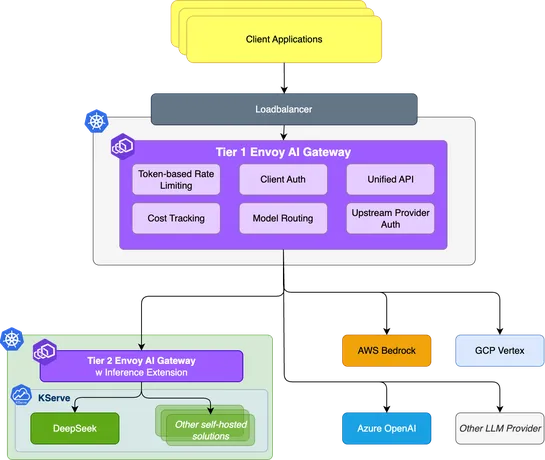
A fresh reference architecture built withEnvoy AI GatewayandKServebrings order to the GenAI chaos. One clean interface to route requests across internal and external LLMs—locked down with policies. It’s called aTwo-Tier Gateway Architecture. Think of it like a split-brain: external API traffic goes.. read more  

Building a Scalable, Flexible, Cloud-Native GenAI Platform with Open Source Solutions
FAUN.dev() is a developer-first platform built with a simple goal: help engineers stay sharp without wasting their time. It curates practical newsletters, thoughtful technical blogs, and useful developer tools that focus on signal over noise.

Created by engineers, for engineers, FAUN.dev() is where experienced developers turn to keep up with the fast-moving world of DevOps, Kubernetes, Cloud Native, AI, and modern programming. We handpick what matters and skip the fluff.

If it’s on FAUN.dev(), it’s worth your attention.

Beyond curation, we run a course marketplace (WIP) designed to keep developers current. These courses go deep into the subjects that shape real-world work—things like Kubernetes internals, modern DevOps workflows, cloud-native architecture, and using AI tools to build faster and smarter. It’s practical learning, taught by people who’ve done the work. Developers from companies like GitHub, Netflix, and Shopify already rely on FAUN.dev() to stay on top of their game. They trust us because we keep it real: no hype, no filler, just what you need to grow and do your best work. For sponsors and partners, FAUN.dev() offers access to a focused, engaged audience of technical professionals. This isn’t just another broad developer community—it’s a place where smart engineers go to get smarter. If you have something meaningful to offer them, you’ll be in good company. In short, FAUN.dev() is more than a content hub. It’s a place to grow, to learn, and to connect with what really matters in software today.