Join us

ContentUpdates and recent posts about Tor..
Link
@faun shared a link, 1 year ago
FAUN.dev()

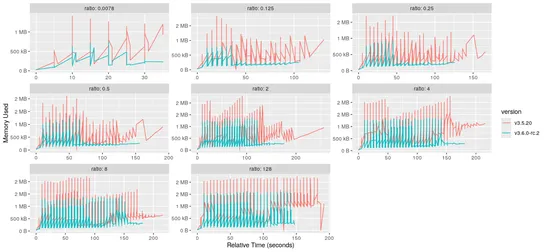
Announcing etcd v3.6.0

etcd v3.6.0slashes its memory footprint by half, ditching v2store like yesterday's leftovers. Performance leaps by10%, powered by a string of clever tweaks. Kubernetes-style gates now govern upgrades; they promise to tame chaos but may demand a secret handshake... read more  
Announcing etcd v3.6.0
Link
@faun shared a link, 1 year ago
FAUN.dev()

v1.33: In-Place Pod Resize Graduated to Beta

Kubernetes v1.33hits the scene within-place Pod resize. Now, tweak CPU and memory settings without hitting restart. Perfect for keeping stateful apps sturdy. Expect faster scaling and smarter resource juggling. Plus, fancy new subresources and conditions polish up management and error reporting. In .. read more  

Link
@faun shared a link, 1 year ago
FAUN.dev()

Why Even Stateless AKS Clusters Might Need Backup

Backing up those “stateless”AKS clustersisn’t just nerdy paranoia. Config drift, compliance headaches, and meddling hands make it a real necessity. In the DevOps trenches, clusters often wander off script from Git. Here, automated AKS backups ride in like heroes—capturing real-time snapshots, stream.. read more  

Link
@faun shared a link, 1 year ago
FAUN.dev()

v1.33: Updates to Container Lifecycle

Kubernetesv1.33just got a little smarter. Now you can use azero-duration Sleepaction in container lifecycle hooks. That means no more juggling extra binaries—nice and tidy. With alpha support, you get to tweak stop signals within containers. Forget those pesky image-level defaults. The catch? Your c.. read more  

Link
@faun shared a link, 1 year ago
FAUN.dev()

v1.33: Image Pull Policy the way you always thought it worked!

Kubernetes v1.33finally crushesIssue 18787. Now, every pod must authenticate before playing with already pulled private images. Security toughens without missing a beat. A fresh credential verification system zaps a decade-old loophole, slamming the door on unauthorized access... read more  

Link
@faun shared a link, 1 year ago
FAUN.dev()

v1.33: Job's Backoff Limit Per Index Goes GA

Kubernetes v1.33just got a shiny new toy:Backoff Limit Per Index GA. Now, you can wrangle retries per job index like a pro. Say goodbye to those impatient failure-hungry beasts! 🎉.. read more  

Link
@faun shared a link, 1 year ago
FAUN.dev()

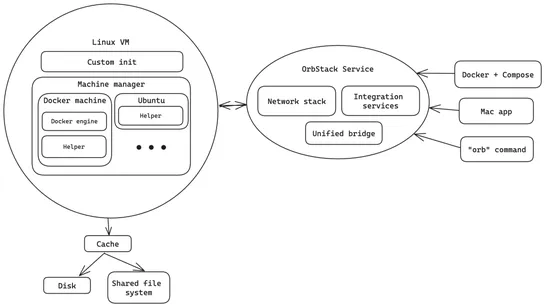
OrbStack: A Deep Dive for Container and Kubernetes Development

OrbStackrockets ahead with 2-5× faster I/O and harnesses Rosetta for blinding x86 speeds on Apple Silicon. For Mac users, it's a zippy Docker alternative. Unified Kubernetes, Linux machines, and effortless file sharing turbocharge development workflows. Meanwhile,Docker Desktopsulks in the corner, w.. read more  

OrbStack: A Deep Dive for Container and Kubernetes Development
Link
@faun shared a link, 1 year ago
FAUN.dev()

kuberc is Here! Customizing kubectl with Kubernetes 1.33

Kuberc, introduced inKubernetes 1.33as an alpha feature, allows users to personalize their kubectl command-line experience with aliases and default flags. This configuration file separates personal preferences from the kubeconfig file, simplifying complex commands and reducing errors. Teams can pote.. read more  

Link
@faun shared a link, 1 year ago
FAUN.dev()

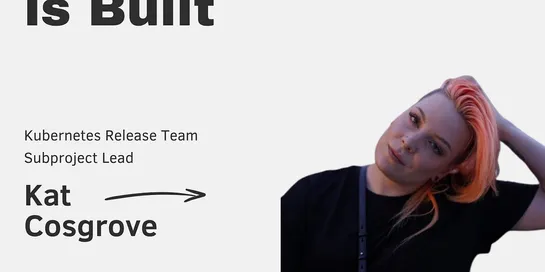
How Kubernetes is Built

Kubernetessprang from Google'sBorglike a tech prodigy. It's a lesson in open-source wizardry, orchestrated by 150-200 zealous maintainers who roll out fresh updates every 14-16 weeks like clockwork. But here’s the magic trick: the "lead" and "shadow" setup. It’s a clever mentorship dance that lets r.. read more  

How Kubernetes is Built
Link
@anjali shared a link, 1 year ago
Customer Marketing Manager, Last9

How to Handle Logging in Microservices Architectures

Learn how to manage logging in microservices—from common challenges to tools and practices that actually help in real-world systems.

log consolidation
Tor (The Onion Router) is an open-source network and software suite designed to protect user privacy and enable anonymous communication on the internet. It works by routing network traffic through a distributed, volunteer-run network of relays, encrypting data in multiple layers so that no single relay knows both the source and destination of the traffic. Tor is widely used to defend against traffic analysis, surveillance, and censorship. By obscuring IP addresses and routing paths, it helps users browse the web anonymously, publish information safely, and access services without revealing their location or identity. The network supports standard web traffic as well as specialized .onion services, which allow websites and services to operate anonymously without exposing their physical hosting location. Beyond web browsing, Tor is used as a foundational privacy layer for secure messaging, whistleblowing platforms, journalism, activism, academic research, and secure system administration. It is also integrated into many privacy-focused operating systems and tools. While Tor can reduce traceability, it does not make users invulnerable and must be used with proper operational security to avoid deanonymization risks. Tor is developed and maintained by the Tor Project, a nonprofit organization dedicated to advancing digital privacy and freedom worldwide