Join us

ContentUpdates and recent posts about OpenClaw..
Link
@devopslinks shared a link, 1 month ago
FAUN.dev()

How I Dropped Our Production Database and Now Pay 10% More for AWS

Planned migration shifts the static site fromGitHub PagestoAWS S3. DNS moves toAWS.Djangostages on a subdomain before the main domain swaps. ATerraformauto-approve ran with no remote state. It destroyed productionRDS,VPC,ECS, and automated snapshots.AWSfound a hidden snapshot and recovered the DB in.. read more  
How I Dropped Our Production Database and Now Pay 10% More for AWS
Link
@devopslinks shared a link, 1 month ago
FAUN.dev()

Draw.io MCP for Diagram Generation: Why It’s Worth Using

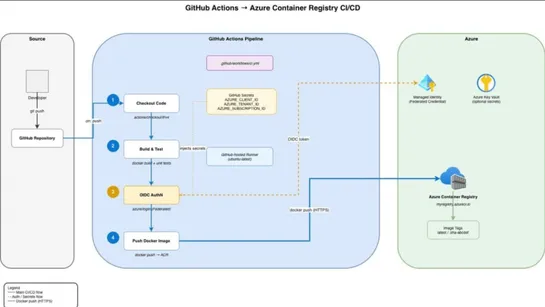
Draw.io MCPlinks theModel Context Protocoltodraw.io. It ingests structured input (text,CSV,Mermaid) and emitsdraw.io XML, PNG/SVG, or hosted links. Draw.io MCPruns as anMCP Tool Server, CLI, or Copilot skill. It drafts small graphs (<50 nodes) in seconds and stores diagrams inGitfor diffs andCI/CDau.. read more  

Draw.io MCP for Diagram Generation: Why It’s Worth Using
Story
@shubham321 shared a post, 1 month ago
Software engineer, Keploy

What Is QA Automation? Benefits, Tools, Challenges & Future

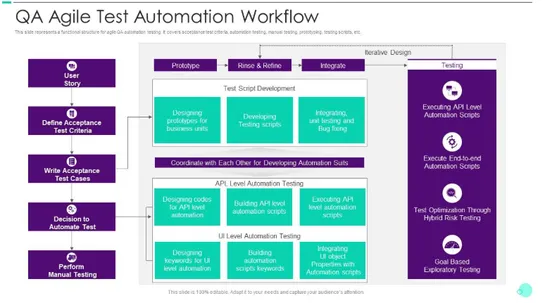
QA automation is a modern software testing approach that uses automated tools and frameworks to execute test cases efficiently and consistently. Instead of relying solely on manual testing, QA automation enables teams to validate application functionality, performance, and reliability at every stage of the development lifecycle. It plays a crucial role in Agile and DevOps environments, where frequent code changes and faster release cycles demand continuous testing.

One of the biggest advantages of QA automation is speed. Automated tests can run in minutes, allowing teams to detect defects early and provide quick feedback to developers. This leads to improved software quality and reduced risk of critical issues reaching production. Automation also enhances accuracy by eliminating human errors that commonly occur in repetitive manual testing tasks.

qa automation
Story
@suarezsara shared a post, 1 month ago

Why SharePoint Application Development Still Powers Enterprise Collaboration in 2026

Learn how businesses use SharePoint for workflow automation, seamless Microsoft 365 integration, and enhanced governance.

Story Keploy Team
@sancharini shared a post, 1 month ago

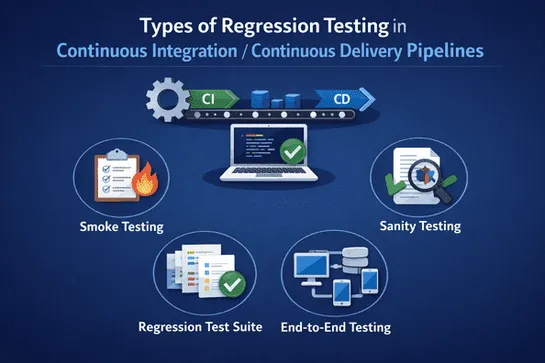
Types of Regression Testing in CI/CD Pipelines

Learn how different types of regression testing in CI/CD pipelines help teams detect defects early, maintain software quality, and reduce production risks while optimizing automated workflows.

Types of Regression Testing in CI/CD Pipelines
Story Keploy Team
@sancharini shared a post, 1 month ago

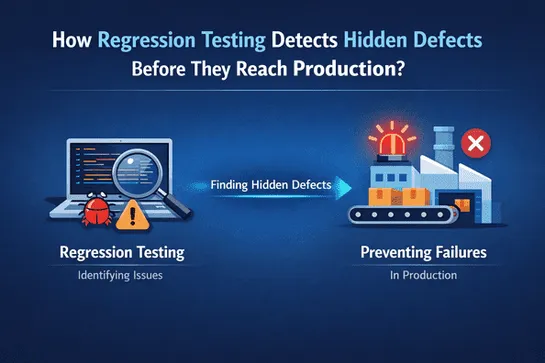
How Regression Testing Detects Hidden Defects Before They Reach Production?

Understand how regression testing helps teams identify hidden defects early, maintain system stability, and prevent production issues using effective testing strategies and regression testing tools.

How Regression Testing Detects Hidden Defects Before Production
Story
@elenamia shared a post, 1 month ago
Technical Consultant, Damco Solutions

Is Your Application Evolving or Aging? The Role of Software Maintenance Services in Continuous Improvement

Read this blog to learn how software maintenance services fuel continuous improvement, prevent downtime, and protect your digital investments.

126795
Story
@marxjenes shared a post, 1 month ago

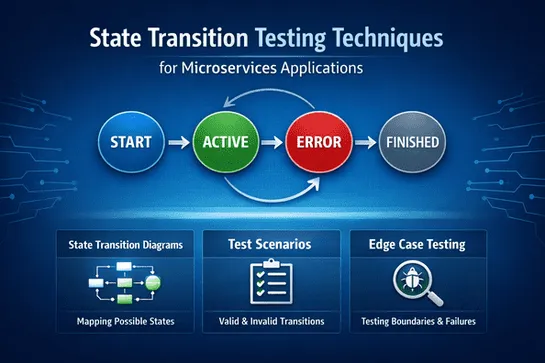
State Transition Testing Techniques for Microservices Applications

Learn effective state transition testing techniques for microservices applications. Ensure reliable service behavior, validate workflows, and strengthen regression testing in CI/CD pipelines.

State Transition Testing Techniques for Microservices Applications
 Activity
@kala added a new tool Claude Code , 1 month ago.
News FAUN.dev() Team Trending
@kala shared an update, 1 month ago
FAUN.dev()

NanoClaw Brings Container-Isolated AI Agents to WhatsApp and Telegram

NanoClaw OpenClaw Claude Code

NanoClaw is a lightweight open-source personal AI agent that runs locally and connects to apps like WhatsApp and Telegram. Built with only ~3,900 lines of code across 15 files, it uses container isolation to securely run agents and aims to offer a simpler, fully auditable alternative to large frameworks like OpenClaw.

OpenClaw is an open-source autonomous AI assistant platform that runs locally on user hardware and integrates with popular messaging applications. Originally released in late 2025 under the name Clawdbot, the project was briefly rebranded as Moltbot before settling on the name OpenClaw in early 2026. It enables users to interact with AI models through interfaces like WhatsApp, Telegram, Discord, Slack, and more, allowing the assistant to carry out tasks ranging from calendar management and email handling to automated scripting and workflow execution based on user instructions.

Unlike typical cloud-hosted AI services, OpenClaw emphasizes privacy and control by running on the user’s own machine, giving users choice over infrastructure and data. Its extensible design supports a wide range of integrations and skills, which automates interactions with external tools and services. This flexibility has contributed to its rapid adoption and widespread discussion within the AI community, with media coverage highlighting both its capabilities and associated security considerations.