Join us

ContentUpdates and recent posts about NanoClaw..
Link
@faun shared a link, 9 months, 1 week ago
FAUN.dev()

10 Best API Monitoring Tools in 2025

API monitoring tracks latency, errors and uptime. Tools tag real-time metrics. They fire alerts. They map traces. They automate tests. They crunch analytics. Examples span OSS starsPrometheus,Graphiteand SaaS champsAppDynamics,Postman. Each hooks into CI/CD pipelines and plants global synthetic prob.. read more  
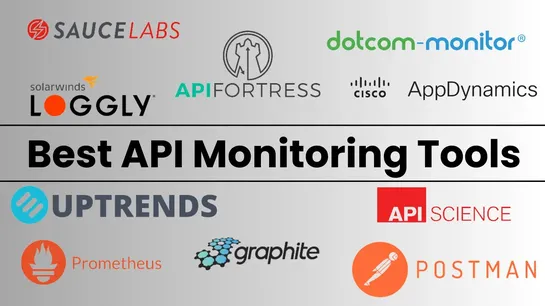
10 Best API Monitoring Tools in 2025
Link
@faun shared a link, 9 months, 1 week ago
FAUN.dev()

Building a Secure, Scalable, and Automated Cloud-Native Platform on AWS with EKS, GitOps, and…

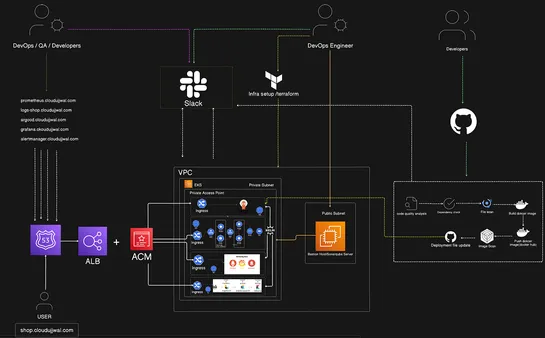
The blueprint carves out production-grade AWS infra. Terraform orchestrates VPCs with public and private subnets, deploys a Bastion host, spins up private EKS clusters, and stands up an internet-facing ALB armed with SSL/TLS. Argo CD drives GitOps. The CI pipeline runs SAST, builds Docker images, hu.. read more  

Building a Secure, Scalable, and Automated Cloud-Native Platform on AWS with EKS, GitOps, and…
Link
@faun shared a link, 9 months, 1 week ago
FAUN.dev()

Serverless: The Illusion of Choice

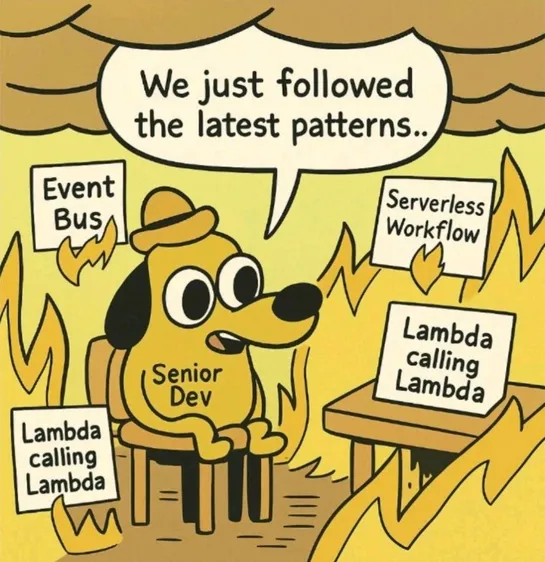
A LinkedIn thread exposes a hack around AWS EventBridge’s256KBlimit. Someone chains Lambdas tocompressthendecompressevents. Serverless traps lurk: blown-upIAMpermissions. Triggers with zero validation. Wide-openegress. Unscanned packages fueling supply chain bombs... read more  

Serverless: The Illusion of Choice
Link
@faun shared a link, 9 months, 1 week ago
FAUN.dev()

MCP Catalog: Finding the Right AI Tools for Your Project

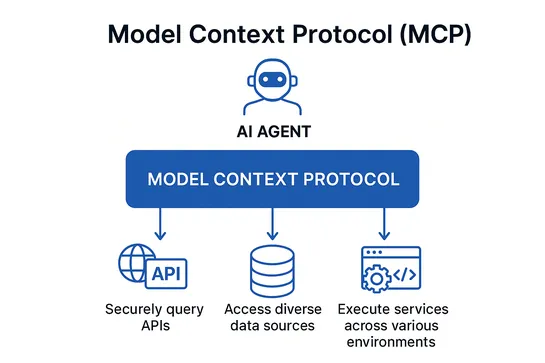
Docker Desktop hatches a betaMCP CatalogandToolkit. It unleashes 100+ containerized Model Context Protocol servers loaded with metadata and use-case filters. Teams fire them via GUI or CLI. The catalog carvesDocker-builtimages from community builds, runs supply-chain scans, and seals isolation. Cust.. read more  

MCP Catalog: Finding the Right AI Tools for Your Project
Link
@faun shared a link, 9 months, 1 week ago
FAUN.dev()

The Art of Azure RBAC for Kubernetes: A Complete Guide to Access Control Mastery

This article dives into Azure RBAC for Kubernetes. It maps each persona to pinpoint roles per namespace. Permissions stay minimal from the get-go. It ties role bindings toAzure AD groups, splits dev and prod, and flips on audit logs. Quarterly reviews, crisp docs keep RBAC lean and current... read more  

The Art of Azure RBAC for Kubernetes: A Complete Guide to Access Control Mastery
Link
@faun shared a link, 9 months, 1 week ago
FAUN.dev()

We Added Chaos to Our CI/CD Pipelines — It Made Everything More Stable.

Wix’sMREteam injectsAI-drivenchaosintoCI/CDpipelines. Mobile releases gain speed and rock-solid stability. They harness hackathon-born prompt tests to bulletproof builds and deployments. Signal: AI resilience trials in pipelines mark a shift from rigid builds to probabilistic validation... read more  

We Added Chaos to Our CI/CD Pipelines — It Made Everything More Stable.
Link
@faun shared a link, 9 months, 1 week ago
FAUN.dev()

Critical VMware Tools VGAuth Vulnerabilities Enable Full System Access for Attackers

Two CVE-2025 vulns in VMware Tools allow SYSTEM access via named pipe hijacking and path traversal. Upgrade to 12.5.1+ ASAP for fixes. Administrators must upgrade... read more  

Critical VMware Tools VGAuth Vulnerabilities Enable Full System Access for Attackers
Link
@faun shared a link, 9 months, 1 week ago
FAUN.dev()

GitHub Spark in public preview for Copilot Pro+ subscribers

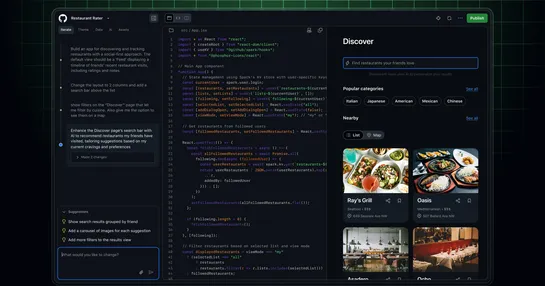
GitHub Spark spins natural-language prompts into full-stack AI apps in minutes. It tapsClaude Sonnet 4to scaffold UI and server logic. It hooks updata storage,LLM inference, hosting,GitHub Actions,Dependabot, plus multi-LLM smarts from OpenAI, Meta, DeepSeek and xAI—zero config. Trend to watch: AI .. read more  

GitHub Spark in public preview for Copilot Pro+ subscribers
Link
@faun shared a link, 9 months, 1 week ago
FAUN.dev()

Kubernetes Image Builder Vulnerability Grants Root Access to Windows Nodes

A critical CVE-2025-7342 hauntsKubernetes Image Builder v0.1.44and earlier. It shipsNutanix/OVAimages with defaultWindows Administratorcreds intact. That slip-up invites root access on Windows nodes. Linux builds and other providers dodge this bullet. Mixed clusters run hot until images rebuild or p.. read more  

Link
@faun shared a link, 9 months, 1 week ago
FAUN.dev()

Centralized Amazon ECS task logging with Amazon OpenSearch

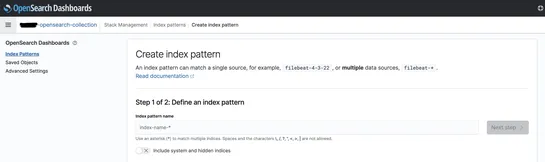
Amazon ECS tasks fire logs through a FireLens sidecar. Fluent Bit ships them into a shared Amazon OpenSearch Serverless domain. Cross-account IAM roles lock down access. The pipeline centralizes logs, unlocks full-text search, SQL and PPL queries, and slashes storage costs with on-demand indexing. .. read more  

Centralized Amazon ECS task logging with Amazon OpenSearch
NanoClaw is an open-source personal AI agent designed to run locally on your machine while remaining small enough to fully understand and audit. Built as a lightweight alternative to larger agent frameworks, the system runs as a single Node.js process with roughly 3,900 lines of code spread across about 15 source files.

The agent integrates with messaging platforms such as WhatsApp and Telegram, allowing users to interact with their AI assistant directly through familiar chat applications. Each conversation group operates independently and maintains its own memory and execution environment.

A core design principle of NanoClaw is security through isolation. Every agent session runs inside its own container using Docker or Apple Container, ensuring that the agent can only access files and resources that are explicitly mounted. This approach relies on operating system–level sandboxing rather than application-level permission checks.

The architecture is intentionally simple: a single orchestrator process manages message queues, schedules tasks, launches containerized agents, and stores state in SQLite. Additional functionality can be added through a modular skills system, allowing users to extend capabilities without increasing the complexity of the core codebase.

By combining a minimal architecture with container-based isolation and messaging integration, NanoClaw aims to provide a transparent, customizable personal AI agent that users can run and control entirely on their own infrastructure.