Join us

ContentUpdates and recent posts about NanoClaw..
Link
@faun shared a link, 7 months, 3 weeks ago
FAUN.dev()

v1.34: User preferences (kuberc) are available for testing in kubectl 1.34

Kubernetes v1.34 pusheskubectlinto the future with a betauser preferencessystem. Drop a.kubercfile in place, and you can bake in default flags, toggle features likeinteractive deleteorServer-Side Apply, and wire up custom aliases—including pre- and post-args... read more  

Link
@faun shared a link, 7 months, 3 weeks ago
FAUN.dev()

Kubernetes in an AI-Native World: Can It Stay Relevant?

At KubeCon + CloudNativeCon Hyderabad 2025, CNCF leads made it clear:cloud-native infraisn’t just supporting AI—it’s becoming its backbone. The conversation’s moved on from“Can Kubernetes run AI?”to“How does it evolve for AI-first everything?”.. read more  

Kubernetes in an AI-Native World: Can It Stay Relevant?
Link
@faun shared a link, 7 months, 3 weeks ago
FAUN.dev()

Battle for Resources or the SSA Path to Kubernetes Diplomacy

A full-stack engineer and systems architect with hands-on time incloudandIoT, building real-world tools for theoil and gas sector. Think connected rigs, smart pipelines, and infrastructure that doesn’t flinch at scale. Market signal:Industrial tech’s going deep. Cloud and IoT aren’t side projects a.. read more  

Link
@faun shared a link, 7 months, 3 weeks ago
FAUN.dev()

From Novice to Pro: Mastering Lightweight Linux for Your Kubernetes Project

Alpine, Flatcar, Fedora CoreOS, Talos, and Ubuntu Core are carving out strong niches as Kubernetes-first base OSes. Each leans into immutability, container-native design, and just enough system overhead to get out of the way. That lean profile isn’t just a flex—it means lower resource drag and a de.. read more  

Link
@faun shared a link, 7 months, 3 weeks ago
FAUN.dev()

The architecture of AI is different from all of the computing that came before it

AI is breaking open source out of its old habits. Compute-heavy models now demand GPU-first stacks, leaner infrastructure, and fresh rules for how we build and scale. Jonathan Bryce points out: scalability and reliability still matter—but AI’s deployment needs throw the old architecture playbook ou.. read more  

The architecture of AI is different from all of the computing that came before it
Link
@faun shared a link, 7 months, 3 weeks ago
FAUN.dev()

Kubernetes v1.34 brings networking refinements for cloud-native infrastructure

Kubernetes 1.34 comes packed withnetworking upgradesbuilt for scale. Less overhead. Fewer headaches. Easier to run big clusters without sweating packet flows. This triannual release keeps pushing the envelope for both cloud-native setups and the on-prem diehards... read more  

Link
@faun shared a link, 7 months, 3 weeks ago
FAUN.dev()

CNCF Incubates OpenYurt for Kubernetes at the Edge

OpenYurt just leveled up—now officially an incubating project under the CNCF. It pushes Kubernetes out past the data center, into the messy edges of the network, without breaking upstream compatibility. No forks, no duct tape. The maintainer roster’s growing too. Folks fromVMware,Microsoft, andInte.. read more  

CNCF Incubates OpenYurt for Kubernetes at the Edge
Link
@faun shared a link, 7 months, 3 weeks ago
FAUN.dev()

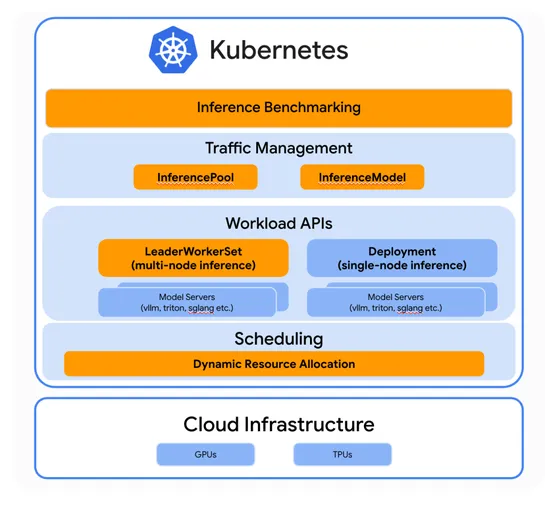
Evolving Kubernetes for generative AI inference

Google Cloud, ByteDance, and Red Hat are wiring AI smarts straight intoKubernetes. Think: faster inference benchmarks, smarter LLM-aware routing, and on-the-fly resource juggling—all built to handle GenAI heat. Their new push,llm-d, bakesvLLMdeep into Kubernetes. That unlocks disaggregated serving .. read more  

Evolving Kubernetes for generative AI inference
Link
@faun shared a link, 7 months, 3 weeks ago
FAUN.dev()

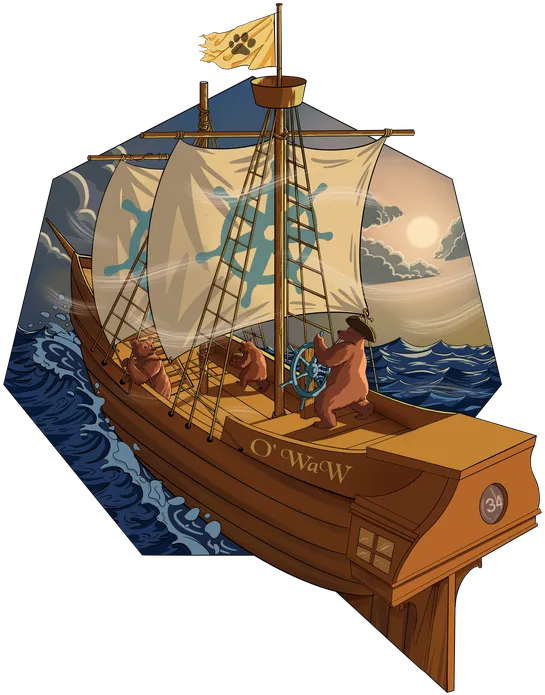
v1.34: Of Wind & Will (O' WaW)

Kubernetes v1.34 drops with58 updates, and23 just hit stable. Highlights: Dynamic Resource Allocation (DRA), per-Pod resource limits, and secure image pulls using Pod-specific ServiceAccount tokens. Scalability gets a lift from streaming list responses. Security tightens with finer anonymous auth r.. read more  

v1.34: Of Wind & Will (O' WaW)
Link
@faun shared a link, 7 months, 3 weeks ago
FAUN.dev()

kube-bench Tutorial: Features, Use Cases, How It Works

kube-benchjust leveled up. Aqua Security’s CIS compliance scanner now snaps into CI/CD, runs pre-deploy checks, and helps dig through forensics after incidents. It plays nice with managed K8s—EKS, AKS, GKE—and handles custom YAML test suites if you’re going off the beaten path. Reports land in stru.. read more  

kube-bench Tutorial: Features, Use Cases, How It Works
NanoClaw is an open-source personal AI agent designed to run locally on your machine while remaining small enough to fully understand and audit. Built as a lightweight alternative to larger agent frameworks, the system runs as a single Node.js process with roughly 3,900 lines of code spread across about 15 source files.

The agent integrates with messaging platforms such as WhatsApp and Telegram, allowing users to interact with their AI assistant directly through familiar chat applications. Each conversation group operates independently and maintains its own memory and execution environment.

A core design principle of NanoClaw is security through isolation. Every agent session runs inside its own container using Docker or Apple Container, ensuring that the agent can only access files and resources that are explicitly mounted. This approach relies on operating system–level sandboxing rather than application-level permission checks.

The architecture is intentionally simple: a single orchestrator process manages message queues, schedules tasks, launches containerized agents, and stores state in SQLite. Additional functionality can be added through a modular skills system, allowing users to extend capabilities without increasing the complexity of the core codebase.

By combining a minimal architecture with container-based isolation and messaging integration, NanoClaw aims to provide a transparent, customizable personal AI agent that users can run and control entirely on their own infrastructure.