Join us

ContentUpdates and recent posts about Lustre..
Link
@faun shared a link, 1 year ago
FAUN.dev()

Improving Cost Efficiency with Karpenter 1.0: An Upgrade Guide

Karpenter 1.0is the speedy barista of Kubernetes. It whips up nodes on demand, slashing AWS EC2 costs by 30-50%. Why? Real-time scaling magic, Spot instance wizardry, and APIs that won't stab you in the back. Sure,Cluster Autoscalerhas an extensive resume of compatibility and control, but it's like .. read more  

Improving Cost Efficiency with Karpenter 1.0: An Upgrade Guide
Link
@faun shared a link, 1 year ago
FAUN.dev()

Tracing Syscalls with eBPF in Docker: A Practical Example

This post walks through an example of combining a FastAPI service with an eBPF tracer to monitor syscalls. It covers common pitfalls encountered during development on macOS, the shift to containerizing the environment, and how the author ultimately succeeded in capturing the desired syscalls—a hands.. read more  

Link
@faun shared a link, 1 year ago
FAUN.dev()

Start Sidecar First: How To Avoid Snags

Kubernetesv1.29.0 steps up its game with sidecars now always booting before the main apps. Fancy that. But don’t get too comfy. To make sure everything’s truly ready, lean on readiness probes or whip up a shell script with a lifecycle hook to get that perfect launch choreography... read more  

Link
@faun shared a link, 1 year ago
FAUN.dev()

Building Kubernetes Controllers in Node.js

Kubenodeis the secret weapon forNode.jsdevelopers diving intoKubernetes. Forget about wrestling with Go—this tool empowers you to wield custom resources and automate like a boss... read more  

Link
@faun shared a link, 1 year ago
FAUN.dev()

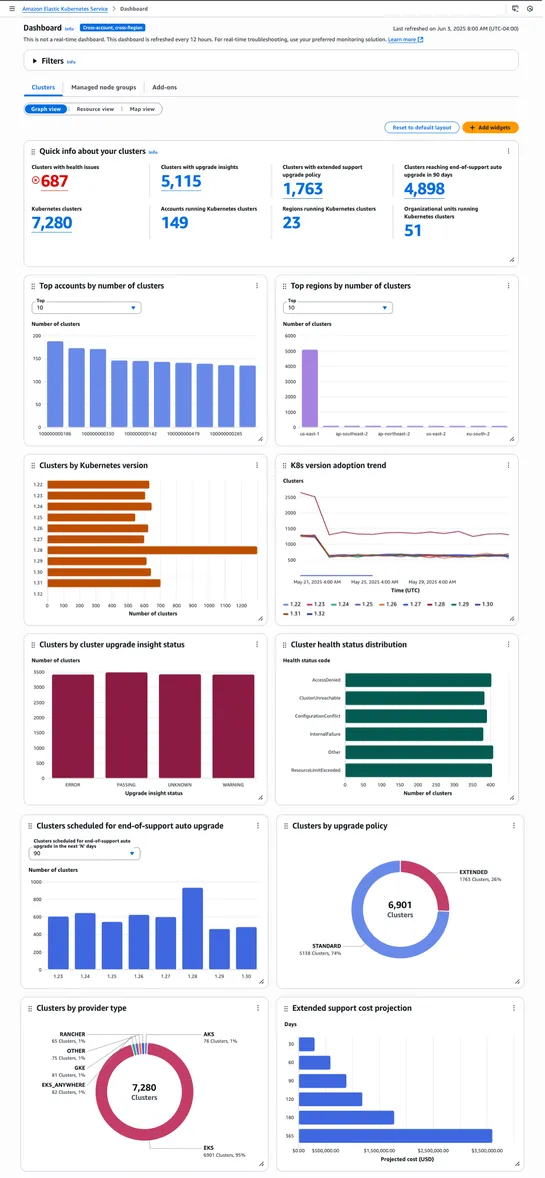
Deep Dive: Amazon EKS Dashboard for Visibility into Multi-Cluster Operations and Governance

Amazon EKS Dashboardtames the Kubernetes chaos with finesse. It brings all your clusters into one sharp, centralized view on AWS. Sprawl, security snags, ballooning support costs—gone in a flash. Assess upgrade needs, peek into cost forecasts, and manage add-ons without breaking a sweat. Wave farewe.. read more  

Deep Dive: Amazon EKS Dashboard for Visibility into Multi-Cluster Operations and Governance
Link
@faun shared a link, 1 year ago
FAUN.dev()

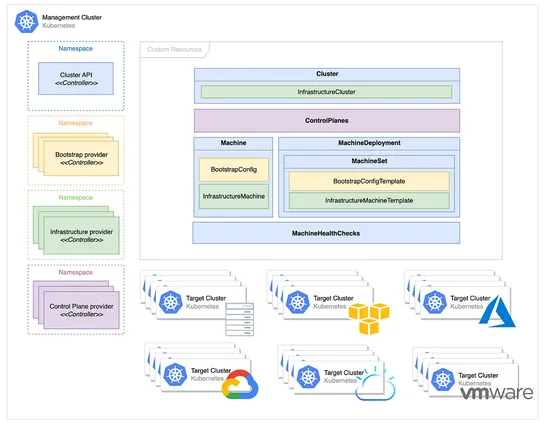
ClusterAPI Provider for AWS and Cilium

Cluster APIis the aspirin for Kubernetes cluster migraines, especially when tangoing with AWS. With neat tricks likeEKS upgradesandself-managed nodes, it’s a godsend.KinDsteps up as the management cluster sidekick in this AWS adventure, while CAPA rolls up its sleeves, threading infrastructure provi.. read more  

ClusterAPI Provider for AWS and Cilium
Link
@faun shared a link, 1 year ago
FAUN.dev()

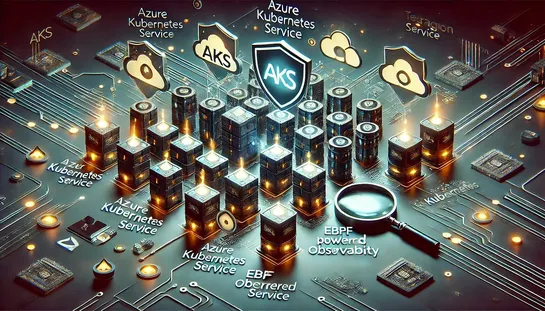
Securing Kubernetes: Integrating AKS with Tetragon for eBPF-Powered Observability

Tetragontaps into the kernel usingeBPF, giving containers an all-access pass without the agent baggage. When you pair Tetragon with AKS, you unlock crystal-clear views of process executions and system calls. Security teams revel in this treasure trove, primed for spotting and squashing threats swift.. read more  

Securing Kubernetes: Integrating AKS with Tetragon for eBPF-Powered Observability
Link
@faun shared a link, 1 year ago
FAUN.dev()

How to Use AI to Detect PPE Compliance in Edge Environments

Meet the motley crew that is theYOLOv8-based AI team. These guys get serious about detecting hard hats across countless video streams and they do it in real time. Their secret weapon? The metallic trio ofZEDEDA,Rancher, andTerraform.ZEDEDAtames edge management.Rancherwrangles Kubernetes.Terraform? I.. read more  

Link
@faun shared a link, 1 year ago
FAUN.dev()

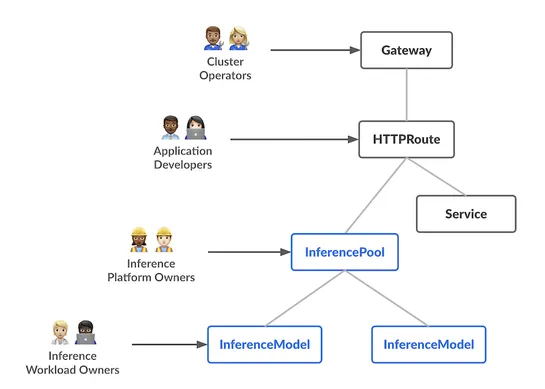
Introducing Gateway API Inference Extension

Gateway API Inference Extensiontakes AI workload routing on Kubernetes and infuses it with model-savvy powers. It slices latency on GPU clusters like a samurai. Meanwhile, theEndpoint Selection Extensionacts like a traffic cop on caffeine, using live metrics to steer pods and trim those nagging tail.. read more  

Introducing Gateway API Inference Extension
Link
@faun shared a link, 1 year ago
FAUN.dev()

How We Migrated 30+ Kubernetes Clusters to Terraform

Terraformisn't just making waves atSCHIP; it's rewriting the rulebook. Watching CI plan times dive from a sluggish 10 minutes to a snappy 30 seconds feels like magic, thanks to its knack for spitting out import statements like they're hotcakes. While flashy automation dazzles, it's actually the grit.. read more  

How We Migrated 30+ Kubernetes Clusters to Terraform
Lustre is an open-source, parallel distributed file system built for high-performance computing environments that require extremely fast, large-scale data access. Designed to serve thousands of compute nodes concurrently, Lustre enables HPC clusters to read and write data at multi-terabyte-per-second speeds while maintaining low latency and fault tolerance.

A Lustre deployment separates metadata and file data into distinct services—Metadata Servers (MDS) handling namespace operations and Object Storage Servers (OSS) serving file contents stored across multiple Object Storage Targets (OSTs). This architecture allows clients to access data in parallel, achieving performance far beyond traditional network file systems.

Widely adopted in scientific computing, supercomputing centers, weather modeling, genomics, and large-scale AI training, Lustre remains a foundational component of modern HPC stacks. It integrates with resource managers like Slurm, supports POSIX semantics, and is designed to scale from small clusters to some of the world’s fastest supercomputers.

With strong community and enterprise support, Lustre provides a mature, battle-tested solution for workloads that demand extreme I/O performance, massive concurrency, and petabyte-scale distributed storage.