OpenTelemetry API vs SDK: Understanding the Architecture
Understand how the OpenTelemetry API and SDK work together, clean instrumentation in code, and flexible data processing in configuration.
Join us
 Updates and recent posts about GPT-5.3-Codex..
Understand how the OpenTelemetry API and SDK work together, clean instrumentation in code, and flexible data processing in configuration.

Database monitoring tracks performance, health, and availability, helping detect issues early and maintain optimal operations.


June–August 2025 brought a surge in high-profile cyber incidents—from UNFI’s food supply disruption and Qantas’ customer data breach to sector-wide attacks on insurers. At the same time, AI-powered detection and new resilience features showed how fast response capabilities are evolving. At RELIANOID..


Learn how to seamlessly integrate Mailtrap with Windsurf to send transactional emails using simple AI prompts.
Japan has taken a bold step in reshaping its national cybersecurity posture with the new Active Cyberdefence Law (ACD) — a proactive response to the growing wave of cyber threats affecting critical infrastructure, airlines, and financial institutions. 🚨 Key highlights of the ACD Law: Legal authority..
Network Functions Virtualization (NFV) is transforming networking by moving critical functions like firewalls, routers, and load balancers from specialized hardware into software running on standard servers. This shift brings flexibility, scalability, and cost efficiency, enabling organizations to a..
At RELIANOID, security isn’t just a feature—it’s part of our foundation. Both our organization and load balancing platform are strongly aligned with the ISO/IEC 27001:2022 ISMS framework and its Annex A controls. This means our clients in finance, healthcare, public sector, and enterprise environmen..
Let’s not kid ourselves, Postmark is a great email service inalmostevery regard. However, if you’re reading this, the chances are that it doesn’t fit your needs anymore, and you’d like to switch it up a little bit. Luckily, you’ve come to the right place! I’ve interviewed our very own deliverability..

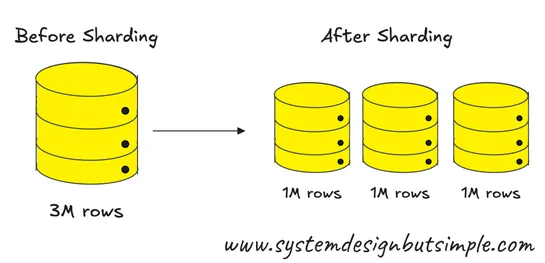
Sharding breaks a heavyweight database into bite-sized chunks spread across servers. That means better scalability, less strain on any one node. The key? Picking the right shard key. Get that wrong, and you’re in cross-shard query hell. Modulo, range, and consistent hashing each slice the pie diff.. read more
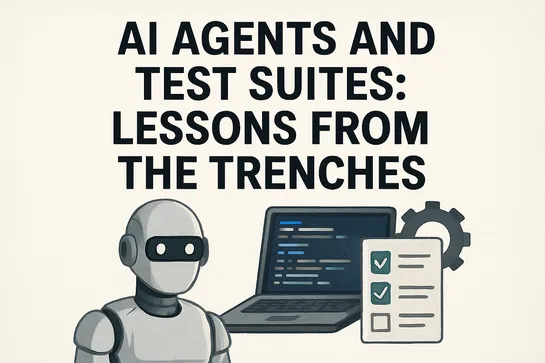
AI agents can help wrangletest suite maintenance—if you treat them likejunior devs. That means tight prompts, clear boundaries, and someone keeping an eye on them. Teams get better results when they feed agents sharp context and task them with small, scoped jobs instead of vague laundry lists... read more