Join us

ContentUpdates and recent posts about AWX..
Link
@varbear shared a link, 6 months ago
FAUN.dev()

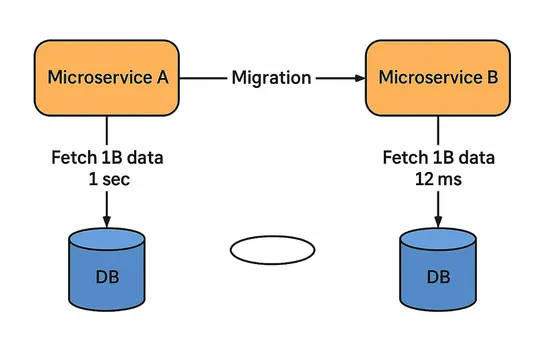
How We Migrated DB 1 to DB 2 , 1 Billion Records Without Downtime

A team movedover 1 billion production records- no downtime, no drama. The stack: dual writes, Kafka retries, and idempotent inserts to keep it clean. They ranshadow readsto sniff for errors, chunked the transfers with checksums, and held off indexing to keep inserts fast. Caches got warmed early to .. read more  
How We Migrated DB 1 to DB 2 , 1 Billion Records Without Downtime
Link
@varbear shared a link, 6 months ago
FAUN.dev()

How Reddit Migrated Comments Functionality from Python to Go

Reddit successfully migrated its monolithic, high-traffic Comments service from legacy Python to modern Go microservices with zero user disruption. This was achieved by using a "tap compare" for reads and isolated "sister datastores" for writes, ensuring safe verification of the new code against pro.. read more  

Link
@varbear shared a link, 6 months ago
FAUN.dev()

Use Python for Scripting!

Shell scripts love to break across macOS and Linux. Blame all the GNU vs BSD quirks;sed,date,readlink, take your pick. The mess adds up fast, especially in build pipelines and CI systems. This post makes the case for a cleaner way:Python 3. Standard library. Predictable behavior. Same results whethe.. read more  

Use Python for Scripting!
Link
@kaptain shared a link, 6 months ago
FAUN.dev()

Why Kubernetes Won: Perfect Timing & Developer Culture

Kubernetes won big because the stars aligned, DevOps took off, Docker exploded, and enterprises finally stopped side-eyeing open source. Then came the institutional tailwind: CNCF pushed hard, GCP bet big, and the rest followed. Kubernetes isn't just tech. It's a new operating model, built in the op.. read more  

Link
@kaptain shared a link, 6 months ago
FAUN.dev()

An In-Depth Look at Istio Ambient Mode with Calico

Tigera just wiredIstio Ambient Modeinto Calico. That means you getsidecarless service mesh, think mTLS, L4/L7 policy, and observability, without stuffing every pod with a sidecar. It’s all handled by lean zTunnel and Waypoint proxies. Ports stay visible, soCalico and Istio policiesplay nice. No rewr.. read more  

Link
@kaptain shared a link, 6 months ago
FAUN.dev()

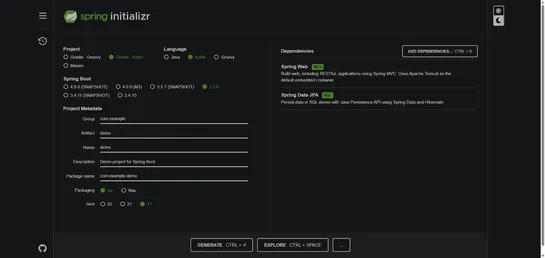
Kubernetes Made Simple: A Guide for JVM Developers

A sharp walkthrough for JVM devs shipping aKotlin Spring Boot app on Kubernetes. It covers the full deployment arc, packaging with Docker, wiring upDeploymentandServicemanifests, and managing config withConfigMapsandSecrets. There's a cleanPostgreSQLintegration baked in. It even gets intoheader-base.. read more  

Kubernetes Made Simple: A Guide for JVM Developers
Link
@kaptain shared a link, 6 months ago
FAUN.dev()

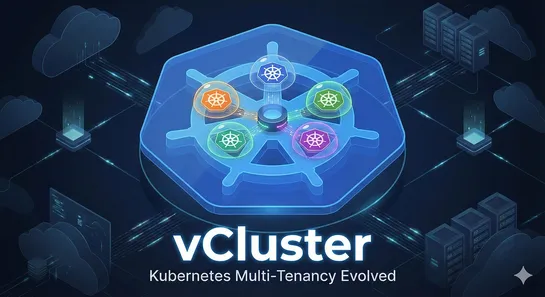
The “Inception” of Kubernetes: A Deep Dive into vCluster Architecture and Benefits

vCluster, a CNCF sandbox project, spins up real-deal Kubernetes control planes inside pods. Each lives in its own namespace but behaves like a full cluster, admin access, CRDs, Helm, the works. It reuses the host’s worker nodes using a syncer that routes vCluster workloads onto the real thing... read more  

The “Inception” of Kubernetes: A Deep Dive into vCluster Architecture and Benefits
Link
@kaptain shared a link, 6 months ago
FAUN.dev()

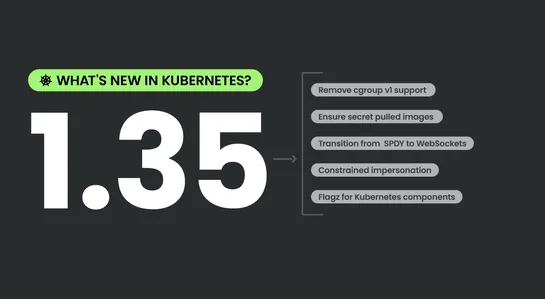
Kubernetes 1.35 - New security features

Kubernetes 1.35 is done with legacy baggage. cgroups v1? Deprecated. Image pull credentials? Now re-verified by default—no more freeloading. kubectl SPDY API upgrades? Locked down. You’ll needcreatepermissions just to speak the protocol. Expect breakage if your workflows leaned on old assumptions. U.. read more  

Kubernetes 1.35 - New security features
Link
@kaptain shared a link, 6 months ago
FAUN.dev()

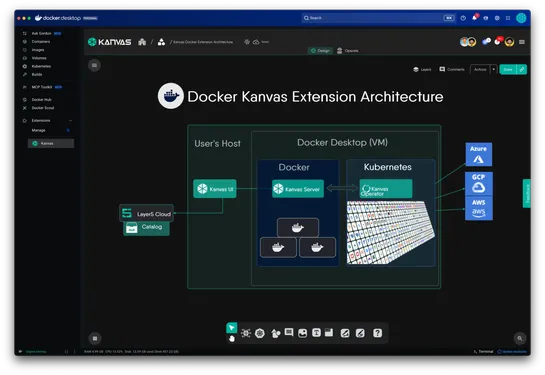
Compose to Kubernetes to Cloud With Kanvas

Docker just droppedKanvas, a new visual toy for building multi-cloud Kubernetes setups, without drowning in YAML. It bolts onto Docker Desktop and runs onMeshery. Drag and drop services into a topology, then bring them to life across AWS, GCP, or Azure. Mix inpolicy-driven validationandreal-time mut.. read more  

Compose to Kubernetes to Cloud With Kanvas
Link
@kaptain shared a link, 6 months ago
FAUN.dev()

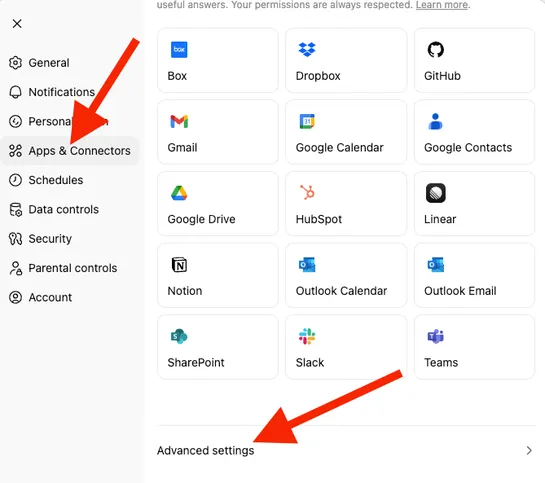
How to Add MCP Servers to ChatGPT

ChatGPT leveled up with fullModel Context Protocol (MCP)support. It can now run real developer tasks, scraping, writing to a database, even making GitHub commits, through secure, containerized tools in Docker. TheDocker MCP Toolkitconnects ChatGPT’s language smarts to production-safe tools like Stri.. read more  

How to Add MCP Servers to ChatGPT
AWX is the open source, community supported upstream project for Red Hat Ansible Automation Platform, formerly known as Ansible Tower. It gives teams a web based interface, a full REST API, and a distributed task engine on top of Ansible, turning command line playbook runs into a managed, auditable automation service.

The project began at AnsibleWorks as the commercial Ansible Tower product, and after Red Hat acquired Ansible, it open sourced the codebase as AWX in September 2017, positioning it as the development ground where new features land before they are hardened into the supported Automation Platform controller. With AWX, you organize automation around projects (synced from Git or other source control), inventories (static or dynamically pulled from cloud providers), credentials (stored encrypted and injected at runtime), and job templates that tie a playbook to its inventory and credentials. On top of that, it adds role based access control, a visual dashboard, job scheduling, workflow chaining, webhooks, and real time job output, so multiple teams can run, track, and delegate automation without sharing SSH keys or sitting at a terminal.

Modern AWX runs on Kubernetes or OpenShift through the AWX Operator, which manages installation, upgrades, and scaling declaratively, reflecting its shift from a single host application to a cloud native, container based platform. Because it is the upstream of a paid product, AWX moves fast and ships frequently, which makes it ideal for labs, learning, and self managed deployments, though teams needing formal support and long term stability typically run the downstream Automation Platform instead.