Join us

ContentUpdates from The Open Source Security Foundation (OpenSSF) is a...
Link
@faun shared a link, 7 months, 3 weeks ago
FAUN.dev()

Git Branching Strategies: A Comprehensive Guide

This guide breaks down the major Git branching strategies—GitFlow,GitHub Flow,GitLab Flow,Trunk-Based Development, and a few others that still show up in wild repos. Each one gets sized up by structure, use case, and trade-offs. Think: how big the team is, how fast releases go out, and how people l.. read more  
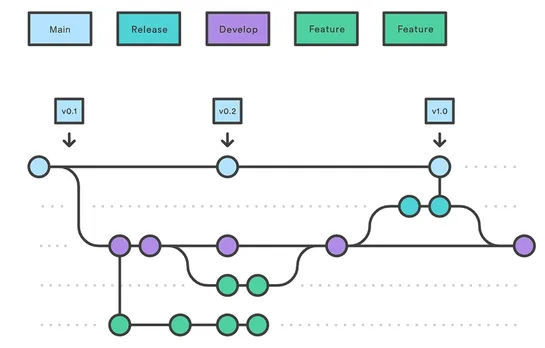
Git Branching Strategies: A Comprehensive Guide
Link
@faun shared a link, 7 months, 3 weeks ago
FAUN.dev()

Ship tools as standalone static binaries

OpenAI’s rewritingCodexinRust, ditching the oldTypeScriptversion. Why? To ship it as a single static binary—no messy installs, no glue code juggling. Just run. Rust cuts down runtime failures, trims the attack surface, and kills off toolchain sprawl. Less fragility. More control. System shift:Team.. read more  

Link
@faun shared a link, 7 months, 3 weeks ago
FAUN.dev()

Deeper theories of program design

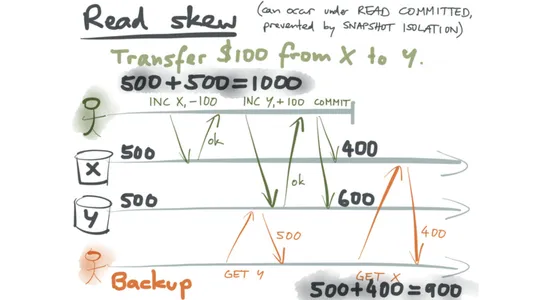
A sharp teardown ofWindows vs. Unix file deletion semanticslands on this: Windows leans on read-write locks; Unix rolls with a looser, non-blocking vibe—more likeweakly-isolated DB transactions. It trades consistency for concurrency, dodging locks even if it means the rules get fuzzy. The post zoom.. read more  

Deeper theories of program design
Link
@faun shared a link, 7 months, 3 weeks ago
FAUN.dev()

How I Use Claude Code to Ship Like a Team of Five

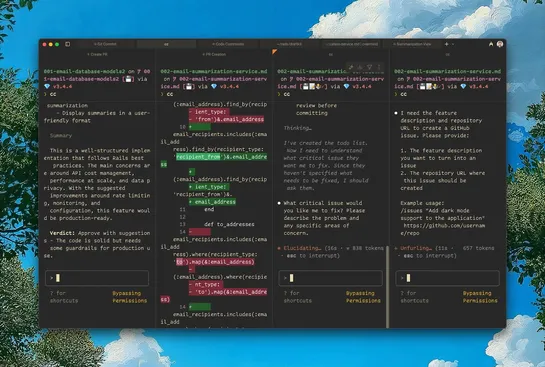
Claude Code zips out Ruby functions, tests, and pull requests viaCLIprompts across multiplegit worktrees. It slays manual typing and ejects IDE plugins. It spins up ephemeraltest environmentsto replay bugs, pries open externalgemcode, and syncs branches, commits, and PRs in one go... read more  

How I Use Claude Code to Ship Like a Team of Five
Link
@faun shared a link, 7 months, 3 weeks ago
FAUN.dev()

71% of Americans Say AI Could ‘Put People Out of Work Permanently’

Most Americans now see AI as a threat to their livelihoods, with71% fearing it could permanently wipe out jobs. The findings come from a new Reuters/Ipsos poll, which shows widespread anxiety across the US as AI threatens job security and challenges the future of employment. The World Economic Forum.. read more  

Link
@faun shared a link, 7 months, 3 weeks ago
FAUN.dev()

Is GPT-5 really worse than GPT-4o? Ars puts them to the test.

OpenAI walked back its latest release after users flaggedGPT-5for sounding flat, hallucinating more, and losing creative spark. The fix? Rolling back to the friendlierGPT-4o. Head-to-head tests told a nuanced story:GPT-5nailed accuracy and structure across most prompts. But when the task called for.. read more  

Is GPT-5 really worse than GPT-4o? Ars puts them to the test.
Link
@faun shared a link, 7 months, 3 weeks ago
FAUN.dev()

Context Engineering for AI Agents: Lessons from Building Manus

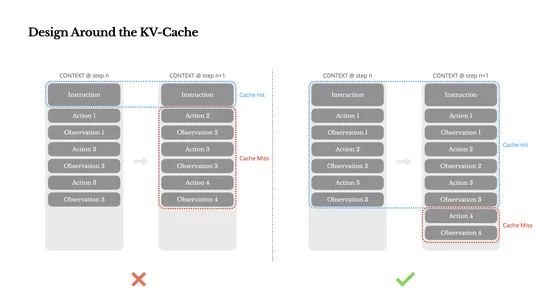
Failures make great teachers—especially for LLMs. Stuffing failed attempts right into the prompt helps agents recalibrate. It nudges their internal priors, cuts down on repeat mistakes, and sparks smarter behavior... read more  

Context Engineering for AI Agents: Lessons from Building Manus
Link
@faun shared a link, 7 months, 3 weeks ago
FAUN.dev()

MCP Vulnerabilities Every Developer Should Know

MCP’s blowing up across platforms—but the security? Still sketchy. Think tool description injection. Botched OAuth. Open doors to supply chain attacks. The new MCP 2025-06-18 spec tries to clean house (no token passthrough, mandatory user consent), but most real-world setups either drag their feet .. read more  

MCP Vulnerabilities Every Developer Should Know
Link
@faun shared a link, 7 months, 3 weeks ago
FAUN.dev()

Building AI Products In The Probabilistic Era

Modern AI broke the rulebook. By spitting outstochastic outputs from unbounded inputs, it flipped software dev from a game of precision to one of probability. Old tools—funnels, SLO dashboards, crisp A/B tests—don’t quite fit anymore. They were built for systems that behaved. Today’s AI stacks mov.. read more  

Building AI Products In The Probabilistic Era
Link
@faun shared a link, 7 months, 3 weeks ago
FAUN.dev()

Tiny Agents in Python: a MCP-powered agent in ~70 lines of code

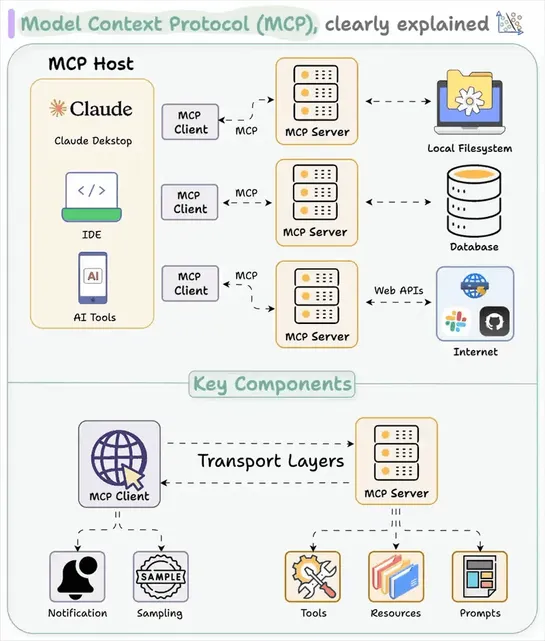
A new demo walks through buildingTiny Agents in Python—just ~70 lines using theModel Context Protocol (MCP). No boilerplate. Just clean LLM-to-tool hookups with standardized agent configs. Agents plug into multiple MCP servers out of the box—from local filesystems to Playwright browsers—and handle .. read more  

The Open Source Security Foundation (OpenSSF) is an industry-backed foundation focused on strengthening the security of the global open source software ecosystem. It brings together major technology companies, cloud providers, open source communities, and security experts to address systemic security challenges that affect how software is built, distributed, and consumed.

OpenSSF was launched in 2021 and operates under the Linux Foundation, combining efforts from earlier initiatives such as the Core Infrastructure Initiative (CII) and industry-led supply chain security programs. Its mission is to make open source software more trustworthy, resilient, and secure by default, without placing unrealistic burdens on maintainers.

The foundation works across several key areas:

- Supply chain security: Developing frameworks, best practices, and tools to secure the software lifecycle from source to deployment. This includes stewardship of projects like sigstore and leadership on SLSA (Supply-chain Levels for Software Artifacts).

- Security tooling: Supporting and incubating open source tools that help developers detect, prevent, and remediate vulnerabilities at scale.

- Vulnerability management: Improving how vulnerabilities are discovered, disclosed, scored, and fixed across open source projects.

- Education and best practices: Publishing guidance, training, and maturity models such as the OpenSSF Best Practices Badge Program, which helps projects assess and improve their security posture.

- Metrics and research: Advancing data-driven approaches to understanding open source security risks and ecosystem health.

OpenSSF operates through working groups and special interest groups (SIGs) that focus on specific problem areas like securing builds, improving dependency management, or automating provenance generation. This structure allows practitioners to collaborate on concrete, actionable solutions rather than high-level policy alone.

By aligning maintainers, enterprises, and security teams, OpenSSF plays a central role in reducing large-scale risks such as dependency confusion, compromised build systems, and malicious package injection. Its work underpins many modern DevSecOps and cloud-native security practices and is increasingly referenced by governments and enterprises as a baseline for secure software development.