Join us

ContentUpdates from DevOpsDayLA...
Story
@squadcast shared a post, 1 year, 1 month ago

Datadog vs. Dynatrace: A Deep Dive

This blog post compares Datadog and Dynatrace, two leading monitoring solutions.

Datadog excels in breadth, offering comprehensive monitoring across infrastructure, applications, logs, and more. It boasts a user-friendly interface and extensive integrations.

Dynatrace specializes in AI-powered application performance monitoring, particularly strong in cloud-native environments. It provides deep insights and automated analysis, but can have a steeper learning curve.

The best choice depends on your specific needs, including monitoring priorities, application complexity, budget, and team expertise.

Link
@anjali shared a link, 1 year, 1 month ago
Customer Marketing Manager, Last9

OpenTelemetry Profiling: A Look into Performance Insights

OpenTelemetry profiling helps you explore app performance, pinpointing issues and improving efficiency for better, more reliable apps.

OpenTelemetry Profiling_ A Deep Dive into Performance Insights
Link
@anjali shared a link, 1 year, 1 month ago
Customer Marketing Manager, Last9

Apdex Score 101: Definition, Calculation, and Limitations

Learn what the Apdex score is, how to calculate it, and its limitations. A quick guide to measuring user satisfaction effectively.

apdex
Story
@squadcast shared a post, 1 year, 1 month ago

Severity Level Classification: The Ultimate Guide to Major vs Critical Incidents

This comprehensive guide explores severity level classification in IT incident management. The article breaks down the five-tier severity system (SEV 1-5), explaining how to differentiate between critical and major incidents. Key highlights include:

Detailed explanation of severity levels from critical (SEV 1) to trivial (SEV 5)

Factors affecting severity classification including user impact, system complexity, and business criticality

Step-by-step implementation guide for effective severity level classification

Integration of SLIs and SLOs in incident classification

Best practices for automated classification systems

Business benefits including improved response times and enhanced continuity

Link
@anjali shared a link, 1 year, 1 month ago
Customer Marketing Manager, Last9

How to Use the Laravel Scheduler for Task Management

Learn how to automate and manage your tasks efficiently with the Laravel Scheduler, making repetitive processes easier to handle in your app.

Mastering the Laravel Scheduler_ A Complete Guide
Link
@anjali shared a link, 1 year, 1 month ago
Customer Marketing Manager, Last9

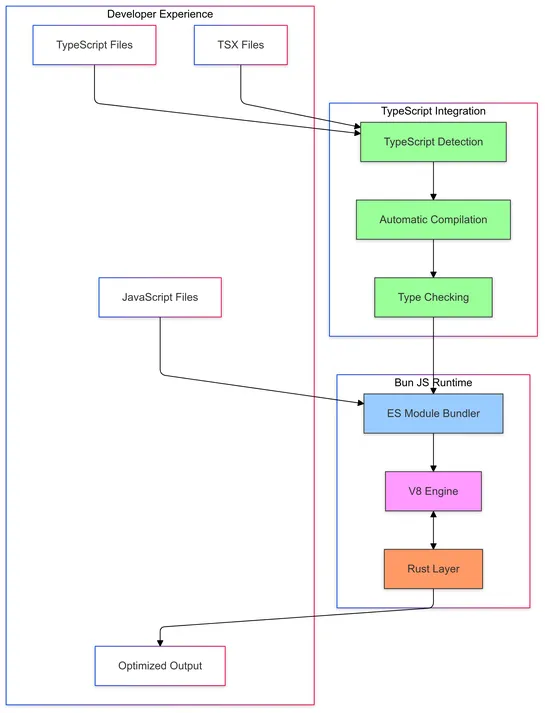
Getting Started with Bun.js: A Quick Guide

Learn how to quickly get started with Bun.js, a fast and efficient JavaScript runtime, and optimize your development workflow.

bun_working
Link
@anjali shared a link, 1 year, 1 month ago
Customer Marketing Manager, Last9

Serilog: Configuration, Error Handling & Best Practices

Learn how to configure Serilog, handle errors, and explore best practices for effective logging in your .NET applications.

serilog
Link
@anjali shared a link, 1 year, 1 month ago
Customer Marketing Manager, Last9

SLF4J vs Log4j: Key Differences and Choosing the Right One

SLF4J offers flexibility with multiple logging frameworks, while Log4j provides rich features for detailed, high-performance logging.

SLF4J vs Log4j_ Understanding the Key Differences and Choosing the Right Logging Framework
Story
@squadcast shared a post, 1 year, 1 month ago

Datadog vs New Relic: A Comprehensive Comparison Guide (2025)

Datadog New Relic

This comprehensive guide compares two leading monitoring platforms: Datadog vs New Relic. The analysis covers essential aspects of both tools, helping teams make an informed decision based on their specific needs.

Key Highlights:

Monitoring Capabilities: Datadog offers strong infrastructure monitoring with real-time metrics tracking, while New Relic excels in application performance monitoring and code-level insights.

Integration Support: Both platforms provide extensive third-party integrations (Datadog: 600+, New Relic: 650+), covering major cloud providers, databases, and development tools.

User Experience: Both tools feature modern, intuitive interfaces with customizable dashboards and visualization options, catering to different user preferences.

Target Users: Datadog is ideal for DevOps and SRE teams focusing on infrastructure, while New Relic better serves development-focused teams needing deep application insights.

Pricing Models: Datadog uses host-based pricing with feature add-ons, while New Relic employs a data ingestion-based model with tiered pricing plans.

The comparison reveals that while both platforms offer robust monitoring solutions, their strengths lie in different areas. Datadog shines in infrastructure monitoring and operational insights, making it suitable for operations-focused teams. New Relic's strength in application performance monitoring and developer tooling makes it an excellent choice for development-centric organizations.

Story
@adammetis shared a post, 1 year, 1 month ago
DevRel, Metis

Your Need to Review Your Data Changes

Maintaining database consistency can quickly spiral into chaos, presenting considerable challenges. To overcome these, it’s crucial to employ effective strategies for managing data modifications and adjustments.

Review.webp
DevOpsDayLA is Southern California's premier conference focused on the human side of technology delivery. For 15 years, we've brought together SoCal practitioners who understand that great software isn't just about tools, it's about people working together effectively.

The 2026 Lens: DevOps in an AI World: You're working in a world where AI is everywhere, embedded in your tools, requested by your management, and reshaping how teams deliver software. Whether you're embracing these changes or navigating the challenges they create, your experience matters.

We're looking for stories about how you and your organizations are adapting your mindsets, processes, and team dynamics in this rapidly evolving landscape. How did your team integrate AI into existing workflows? What changed about collaboration when AI entered the picture? Where do humans remain critical in automated processes? How do you build the next generation of engineers when entry-level work is automated? What are the real implementation challenges you're facing in Southern California's entertainment, gaming, aerospace, retail, healthcare, and manufacturing companies?

What makes DevOpsDayLA different: We focus on culture, collaboration, and cross-industry implementation stories rather than pure technical deep-dives. We're all about the people and processes that make technology successful in an AI world, not the technology itself.

We especially welcome new speakers, under-represented voices, and fresh perspectives from across SoCal's diverse tech landscape.

Attending

To attend DevOps Day LA purchase a  SCALE ticket via the SCALE website. Your ticket will provide access to both events.

Sponsor

DevOpsDayLA sponsors have the opportunity to offer job opportunities, demonstrations of the latest tools, and world-class service offerings to facilitate organizations’ DevOps journey. The conference is presented with the support of the Southern California Linux Expo (SCALE). It provides a relaxed, casual, and diverse environment where experienced professionals, evangelists, agile practitioners, developers, job seekers, business executives, educators, students, and curiosity seekers can connect and attend talks on current topics.

For additional information, please contact us at los-angeles@devopsdays.org.

Speak at DevOpsDay LA

DevOpsDay LA sessions are selected through our calling for presentations for our 2026 event. We have posted a list of desired topics and best practices for submissions.

Friday, March 6, 2026 - 10:00 to 17:00