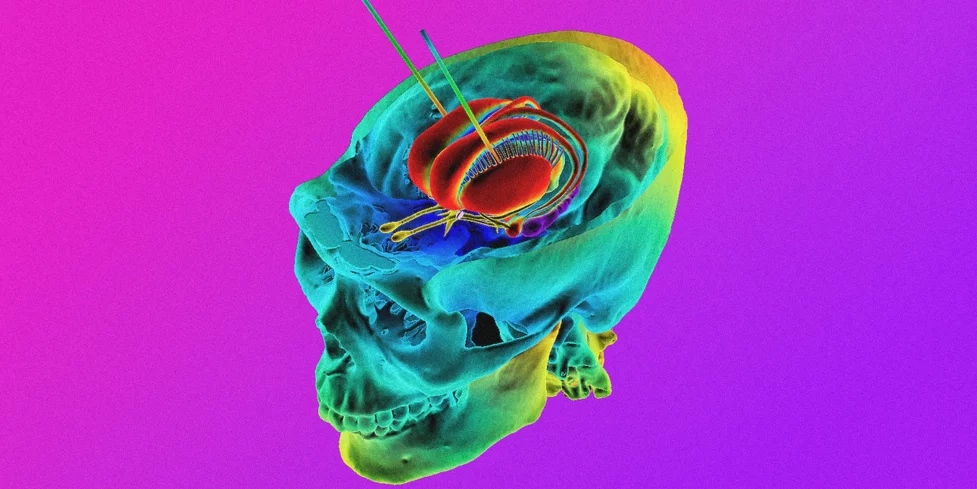
Brain stimulation technologies that use magnetic or electrical pulses to change the way our brains work are generating huge amounts of data about individuals’ brains, which could be used against them in a court of law.
Brain data collected by pacemakers, electrodes implanted in people’s brains, and remote brain stimulation technologies, which are treatments that can be delivered to people at home while their brain recordings are sent to a doctor’s office, might reveal the state of the brain at any given time and hint at what the person is doing or feeling at that moment.
This data could be used by the criminal justice system to suggest, for example, whether a driver involved in a car accident was alert or concentrating on the road. It is therefore vital that we start thinking about how to protect brain data now.


Give a Pawfive to this post!
Share with your friends and followers
Start writing about what excites you in tech — connect with developers, grow your voice, and get rewarded.
Join other developers and claim your FAUN.dev() account now!