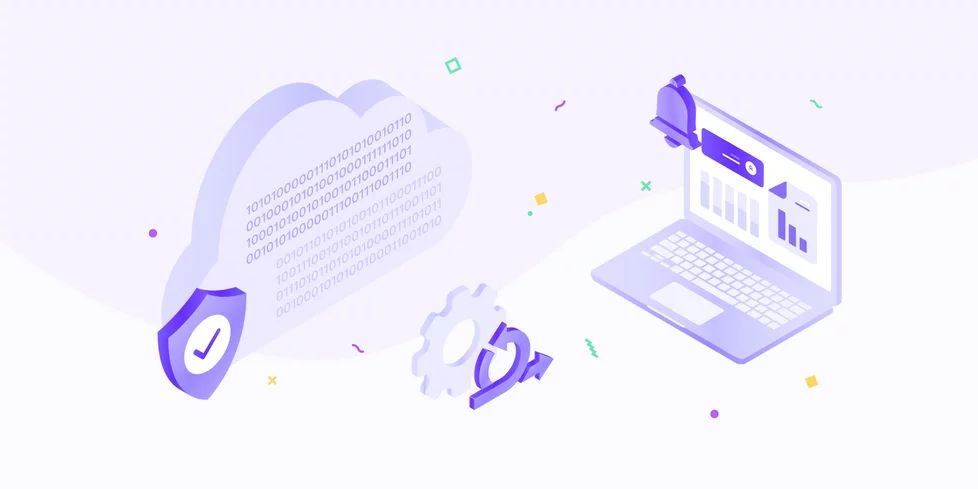
Cloud configurations constantly change due to the adoption of new technologies, release of new features, and support of new business requirements. When real-life configurations differ from predetermined build-time states, drift occurs. Drift can lead to environment instability, deployment issues, unpredictable costs, and security or compliance gaps. To resolve out-of-state changes in cloud drift detection, follow these steps:
- Understand when drift becomes a risk:Not all drifts pose a real or exploitable risk.
- Implement drift detection automation relevant to your stack:Continuously compare the configuration within your IaaS (Infrastructure as a Service) with that of your IaC (Infrastructure as Code) plan files.
- Classify and route their response to the right individual or team:Surface and resolve drifts as close to developers as possible, as they have the most comprehensive history and knowledge of any given configuration.