Join us

ContentUpdates and recent posts about Sigstore..
Link
@devopslinks shared a link, 1ย month ago
FAUN.dev()

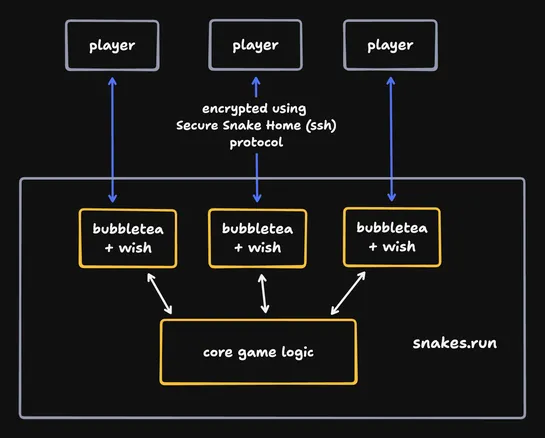
Rendering 100M pixels a second over ssh

A massively multiplayer snake game accessible over ssh, capable of handling thousands of concurrent players and rendering over a hundred million pixels a second. The game utilizes bubbletea for rendering frames and custom techniques to reduce bandwidth usage to around 2.5 KB/sec. Performance improve.. read more ย 
Rendering 100M pixels a second over ssh
Link
@devopslinks shared a link, 1ย month ago
FAUN.dev()

LLMs Are Good at SQL. We Gave Ours Terabytes of CI Logs.

Mendral's agent runs adโ€‘hocSQLagainst compressedClickHouselogs. It traces flaky tests across months and scans up to 4.3B rows per investigation. They denormalize 48 metadata columns per log line. They compress 5.31 TiB down to ~154 GiB (~21 bytes/line) โ€” a 35:1 ratio. That turns arbitrary filters in.. read more ย 

LLMs Are Good at SQL. We Gave Ours Terabytes of CI Logs.
Link
@varbear shared a link, 1ย month ago
FAUN.dev()

The best new features of C# 14

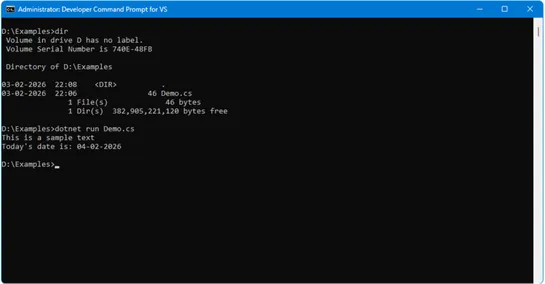
C# 14 ships with.NET 10. It addsfile-based apps. Run a single .cs file from the command line. No project or solution files. It also adds extension members and extension blocks. They bring extension properties, grouped receivers, and a cleaner extension syntax... read more ย 

The best new features of C# 14
Link
@varbear shared a link, 1ย month ago
FAUN.dev()

I Taught My Dog to Vibe Code Games

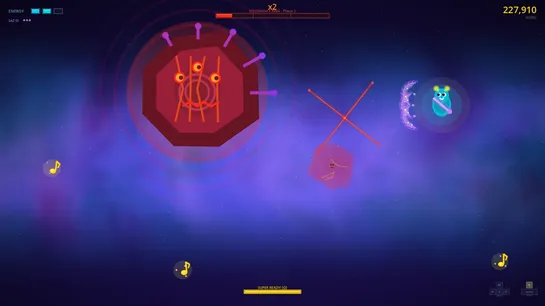
DogKeyboardruns onRaspberry Pi. It filters Bluetooth keystrokes, proxies them toClaude Code, and triggers a feeder overZigbee. Builds useGodot 4.6andC#. Automated screenshot/replay testers, a scene linter, a shader linter, and an input mapper letClaude Codeauto-test, patch, and relaunch games... read more ย 

I Taught My Dog to Vibe Code Games
Link
@varbear shared a link, 1ย month ago
FAUN.dev()

How we reduced the size of our Agent Go binaries by up to 77%

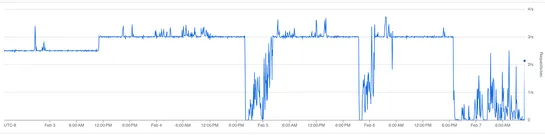
The Datadog Agent cut its Go binaries size by up to 77% in six months, removing unnecessary dependencies and enabling linker optimizations to trim artifacts significantly... read more ย 

Link
@varbear shared a link, 1ย month ago
FAUN.dev()

Malicious Next.js Repos Target Developers Via Fake Job Interviews

Linked to North Korean fake job-recruitment campaigns, the poisoned repositories are aimed at establishing persistent access to infected machines... read more ย 

Link
@varbear shared a link, 1ย month ago
FAUN.dev()

The Linux Foundation reveals the "ugly" secret of how open source is draining your budget

Linux Foundation report finds contributors get2xโ€“5x ROI. It also finds45%of organizations runprivate forksthat cost ~5,000labor hours per release. The report introduces anROI modelthat values contributions bylabor cost, not linesโ€‘ofโ€‘code. It simulates crossโ€‘project tradeoffs... read more ย 

Story
@laura_garcia shared a post, 1ย month ago
Software Developer, RELIANOID

๐Ÿบ Cyberattack on Asahi Group: Why Japanโ€™s Industrial Sector Canโ€™t Afford to Wait

Weโ€™re resharing this post because its relevance has only grown. Japanโ€™s largest brewer, Asahi Group, was recently hit by a major ransomware attack that disrupted production and logistics operations nationwide. The timing is striking: the incident came just days after Japan enacted its new Cyber Defe..

Link Xygeni Team
@mashka shared a link, 1ย month ago
Paid Acquisition and Growth Marketing, xygeni

Your Copilot Just Pushed Code to Prod. Did Anyone Check the Security?

AI copilots like GitHub Copilot and Cursor can push production-ready code instantlyโ€”but CI-only security scans catch issues after merge, when itโ€™s too late. In this live session, see how to detect vulnerabilities in real time inside the IDE, validate reachability before merge, apply guardrails to AI-generated code, and auto-fix safely. Includes live demo securing Copilot and AI agent workflows. ๐Ÿ“… March 11, 2026 ๐Ÿ‘‰ Register https://www.linkedin.com/events/7432784645383110656/

Webinars Creas
Story Trending
@laura_garcia shared a post, 1ย month ago
Software Developer, RELIANOID

๐—ฅ๐—˜๐—Ÿ๐—œ๐—”๐—ก๐—ข๐—œ๐—— ๐—ฎ๐˜ ๐— ๐—ผ๐—ฏ๐—ถ๐—น๐—ฒ ๐—ช๐—ผ๐—ฟ๐—น๐—ฑ ๐—–๐—ผ๐—ป๐—ด๐—ฟ๐—ฒ๐˜€๐˜€ ๐Ÿฎ๐Ÿฌ๐Ÿฎ๐Ÿฒ

๐Ÿ“ ๐—•๐—ฎ๐—ฟ๐—ฐ๐—ฒ๐—น๐—ผ๐—ป๐—ฎ | ๐Ÿฎโ€“๐Ÿฑ ๐— ๐—ฎ๐—ฟ๐—ฐ๐—ต ๐Ÿฎ๐Ÿฌ๐Ÿฎ๐Ÿฒ ๐Ÿš€ ๐—๐—ผ๐—ถ๐—ป ๐—ฅ๐—˜๐—Ÿ๐—œ๐—”๐—ก๐—ข๐—œ๐—— ๐—ฎ๐˜ ๐— ๐—ผ๐—ฏ๐—ถ๐—น๐—ฒ ๐—ช๐—ผ๐—ฟ๐—น๐—ฑ ๐—–๐—ผ๐—ป๐—ด๐—ฟ๐—ฒ๐˜€๐˜€ ๐Ÿฎ๐Ÿฌ๐Ÿฎ๐Ÿฒ (๐— ๐—ช๐—– ๐Ÿฎ๐Ÿฒ) The worldโ€™s most influential connectivity event returns โ€” and this year marks 20 years in Barcelona, celebrating two decades of collaboration between a global tech powerhouse and one of Europeโ€™s most innovative ci..

mwc_barcelona_mobile_world_congress_2026_relianoid
Sigstore is an open source initiative designed to make software artifact signing and verification simple, automatic, and widely accessible. Its primary goal is to improve software supply chain security by enabling developers and organizations to cryptographically prove the origin and integrity of the software they build and distribute.

At its core, sigstore removes many of the traditional barriers associated with code signing. Instead of managing long-lived private keys manually, sigstore supports keyless signing, where identities are issued dynamically using OpenID Connect (OIDC) providers such as GitHub Actions, Google, or Microsoft. This dramatically lowers operational complexity and reduces the risk of key compromise.

The sigstore ecosystem is composed of several key components:

- Cosign: A tool for signing, verifying, and storing signatures for container images and other artifacts. Signatures are stored alongside artifacts in OCI registries, rather than embedded in them.

- Fulcio: A certificate authority that issues short-lived X.509 certificates based on OIDC identities, enabling keyless signing.

- Rekor: A transparency log that records signing events in an append-only, tamper-evident ledger. This provides public auditability and detection of suspicious or malicious signing activity.

Together, these components allow anyone to verify who built an artifact, when it was built, and whether it has been tampered with, using publicly verifiable cryptographic proofs. This aligns closely with modern supply chain security practices such as SLSA (Supply-chain Levels for Software Artifacts).

sigstore is widely adopted in the cloud-native ecosystem and integrates with tools like Kubernetes, container registries, CI/CD pipelines, and package managers. It is commonly used to sign container images, Helm charts, binaries, and SBOMs, and is increasingly becoming a baseline security requirement for production software delivery.

The project is governed by the OpenSSF (Open Source Security Foundation) and supported by major industry players.