Join us

ContentUpdates and recent posts about NanoClaw..
Story
@laura_garcia shared a post, 6ย months ago
Software Developer, RELIANOID

๐—ฅ๐—˜๐—Ÿ๐—œ๐—”๐—ก๐—ข๐—œ๐—— ๐—ถ๐˜€ ๐——๐—ข๐—ฅ๐—”-๐—ฟ๐—ฒ๐—ฎ๐—ฑ๐˜†! ๐Ÿš€

Weโ€™re proud to announce our compliance with the ๐—˜๐—จ ๐——๐—ถ๐—ด๐—ถ๐˜๐—ฎ๐—น ๐—ข๐—ฝ๐—ฒ๐—ฟ๐—ฎ๐˜๐—ถ๐—ผ๐—ป๐—ฎ๐—น ๐—ฅ๐—ฒ๐˜€๐—ถ๐—น๐—ถ๐—ฒ๐—ป๐—ฐ๐—ฒ ๐—”๐—ฐ๐˜ (๐——๐—ข๐—ฅ๐—”) โ€” ensuring our solutions meet the highest standards of ๐˜€๐—ฒ๐—ฐ๐˜‚๐—ฟ๐—ถ๐˜๐˜†, ๐—ฟ๐—ฒ๐˜€๐—ถ๐—น๐—ถ๐—ฒ๐—ป๐—ฐ๐—ฒ, ๐—ฎ๐—ป๐—ฑ ๐—ผ๐—ฝ๐—ฒ๐—ฟ๐—ฎ๐˜๐—ถ๐—ผ๐—ป๐—ฎ๐—น ๐—ฐ๐—ผ๐—ป๐˜๐—ถ๐—ป๐˜‚๐—ถ๐˜๐˜† for the financial sector. Our load balancing technology helps financial institutions achieve cyber resi..

dora compliant RELIANOID
Story
@laura_garcia shared a post, 6ย months ago
Software Developer, RELIANOID

Adaptive Load Balancing is a game-changer in distributed computing.

Unlike static approaches, it continuously monitors system metricsโ€”CPU, memory, network usageโ€”to dynamically allocate resources and ensure top performance and efficiency. Key Benefits: โš™๏ธ Scalability โ€“ Seamless response to traffic spikes ๐Ÿ”„ Fault Tolerance โ€“ Automatic rerouting from underperforming no..

Knowledge base_Adaptive Load Balancing_relianoid
News FAUN.dev() Team
@devopslinks shared an update, 6ย months ago
FAUN.dev()

Git 3.0 to Launch by 2026 with SHA-256 for Enhanced Security

#sha-256ย  #git 3.0ย  #version...ย  #technic...ย  #gitย 
git

Git 3.0, set for release by 2026, will adopt SHA-256 for improved security and performance, modernizing the platform.

Git 3.0 to Launch by 2026 with SHA-256 for Enhanced Security
News FAUN.dev() Team
@kala shared an update, 6ย months ago
FAUN.dev()

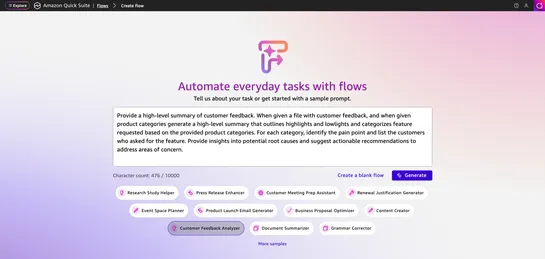
Amazon Launches Quick Suite: "The AI Teammate"

Amazon Web Services

Amazon introduces Quick Suite, an AI-driven tool to boost workplace efficiency by integrating research, business intelligence, and automation into one platform.

Amazon Launches Quick Suite: "The AI Teammate"
News FAUN.dev() Team
@devopslinks shared an update, 6ย months ago
FAUN.dev()

Linux Kernel 6.18 RC1 Released: Public Testing Begins

#kernelย  #amdย  #btrfsย  #linuxย 
Rust GNU/Linux The Linux Kernel

The Linux kernel 6.18 RC1 has been released for public testing, featuring enhancements in Btrfs, LoongArch KVM, FreeBSDโ€™s Bhyve hypervisor, and AMD's Secure AVIC, with the final release expected by late 2025.

Linux Kernel 6.18 RC1 Released: Public Testing Begins
News FAUN.dev() Team
@varbear shared an update, 6ย months ago
FAUN.dev()

FSF Launches Librephone Project to Free Android from Proprietary Code

The Free Software Foundation launched the Librephone project to replace proprietary Android components with open-source alternatives, aiming for complete software freedom.

FSF Launches Librephone Project to Free Android from Proprietary Code
Story
@laura_garcia shared a post, 6ย months ago
Software Developer, RELIANOID

Unveiling the Power of Network Load Balancers

Weโ€™re thrilled to be featured in โ€œUnveiling the Power of Network Load Balancersโ€ by HENOF ๐Ÿ“ฐ The article highlights how RELIANOID Load Balancer is redefining reliability, scalability, and security in modern data centers. ๐Ÿ”— Read it here: https://www.relianoid.com/about-us/relianoid-related-articles/ #..

Henof article on RELIANOID
Story
@viktoriiagolovtseva shared a post, 6ย months ago

Task Management in Jira: Stories vs. Tasks in Agile Workflows

Agile frameworks like Scrum provide flexibility in structuring workflows, which can sometimes lead to confusion, especially when using project management tools such as Jira.

This is especially true for tasks and story issue types, as both exist at the same hierarchy level, and teams often struggle to determine when to use one over the other.

Although these issue types share the same hierarchy in Jira, they are intended for different purposes. By understanding their roles, teams can better organize their work, improve their planning, and enhance their reporting.

In this article, Iโ€™ll explore the purpose of tasks and stories, how they can work together effectively, and best practices for managing them in Jira.

Screenshot 2025-10-15 at 14.46.13
Story
@viktoriiagolovtseva shared a post, 6ย months ago

How to Link Issues in Jira Manually and Automatically

Connecting issues in Jira serves many purposes. For instance, it allows you to track dependencies between tasks, identify blockers, and visualize these blockers in a timeline view. As a result, you can better organize your teamโ€™s work, enhance planning, and improve collaboration.

In this blog post, I explain how to link issues in Jira using different methods. You can link issues automatically or manually from a Jira board or issue view. Additionally, we give you useful tips on how to make working with linked issues more convenient and efficient.

Screenshot 2025-10-15 at 11.56.06
Story Palark Team
@shurup shared a post, 6ย months ago
@palark

New features introduced in Kubernetes 1.34

Kubernetes

Recently, the latest Kubernetes version, v1.34, was released with 13 new alpha features on board. They include: - KYAML, a new dialect of YAML for Kubernetes manifests, which is still compatible with all existing tooling; - asynchronous API calls to kube-apiserver during scheduling; - various enhanc..

kubernetes 1.34 release
NanoClaw is an open-source personal AI agent designed to run locally on your machine while remaining small enough to fully understand and audit. Built as a lightweight alternative to larger agent frameworks, the system runs as a single Node.js process with roughly 3,900 lines of code spread across about 15 source files.

The agent integrates with messaging platforms such as WhatsApp and Telegram, allowing users to interact with their AI assistant directly through familiar chat applications. Each conversation group operates independently and maintains its own memory and execution environment.

A core design principle of NanoClaw is security through isolation. Every agent session runs inside its own container using Docker or Apple Container, ensuring that the agent can only access files and resources that are explicitly mounted. This approach relies on operating systemโ€“level sandboxing rather than application-level permission checks.

The architecture is intentionally simple: a single orchestrator process manages message queues, schedules tasks, launches containerized agents, and stores state in SQLite. Additional functionality can be added through a modular skills system, allowing users to extend capabilities without increasing the complexity of the core codebase.

By combining a minimal architecture with container-based isolation and messaging integration, NanoClaw aims to provide a transparent, customizable personal AI agent that users can run and control entirely on their own infrastructure.