Join us

ContentUpdates and recent posts about NanoClaw..
Story
@himanshu shared a post, 1ย month, 2ย weeks ago

Software Testing Strategies: A Practical Guide for Modern Development

Software quality is a critical factor in modern application development. As development teams adopt Agile, DevOps, and CI/CD pipelines, testing must also evolve to ensure software remains reliable and secure. A well-defined testing plan helps teams identify bugs early, reduce risks, and deliver bett..
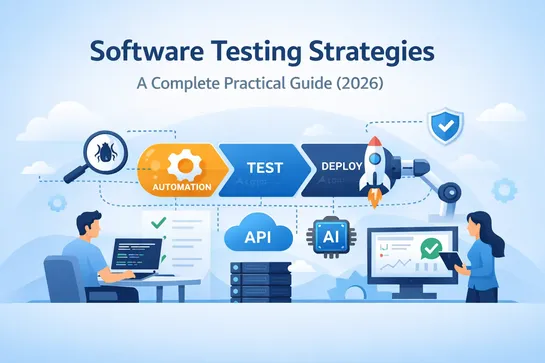
software testing Strategies
Link
@pramod_kumar_0820 shared a link, 1ย month, 2ย weeks ago
Software Engineer, Teknospire

Why Most Spring Boot Apps Fail in Production (7 Critical Mistakes)

Most Spring Boot applications run perfectly in development.

The APIs respond quickly, tests pass, and everything seems stable.

But once the application reaches production, things can change dramatically โ€” slow responses, memory issues, and unexpected failures start appearing.

In many cases, the problem isn't Spring Boot itself.
It's a set of common mistakes developers unknowingly introduce into their applications.

In this article, we'll explore 7 critical mistakes that cause many Spring Boot apps to fail in production โ€” and how to avoid them.

new
Story
@marxjenes shared a post, 1ย month, 2ย weeks ago

Why Test Automation Frameworks Are Essential for Scalable Testing?

Learn why test automation frameworks are essential for scalable testing, enabling teams to manage large test suites, improve test efficiency, and maintain reliable software quality.

Why Test Automation Frameworks Are Essential for Scalable Testing
Story
@shubham321 shared a post, 1ย month, 2ย weeks ago
Software engineer, Keploy

System Integration Testing (SIT) in Software Testing: Complete Guide

System Integration Testing (SIT) is an essential phase in the software testing lifecycle that focuses on verifying how different components of a system interact with each other. In modern software applications, multiple modules such as APIs, databases, services, and external systems work together to deliver functionality. While individual modules may function correctly when tested separately, issues often arise when these modules are integrated. SIT helps identify and resolve such issues before the software moves to later testing stages.

Screenshot 2026-03-10 172412
Link Keploy Team
@sancharini shared a link, 1ย month, 2ย weeks ago

Software Regression Testing Services: Ensuring Stability After Every Change

Software Regression Testing Services: Ensuring Stability After Every Change

regression testing services
Story
@laura_garcia shared a post, 1ย month, 2ย weeks ago
Software Developer, RELIANOID

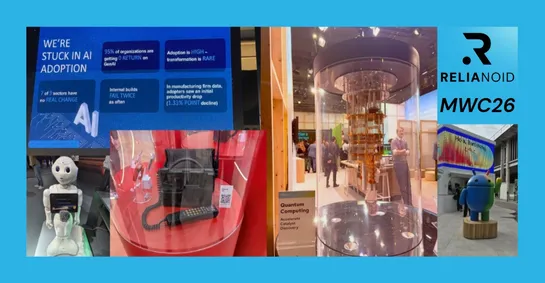
๐— ๐—ช๐—– ๐Ÿฎ๐Ÿฌ๐Ÿฎ๐Ÿฒ: ๐—Ÿ๐—ฒ๐˜€๐˜€๐—ผ๐—ป๐˜€ ๐—น๐—ฒ๐—ฎ๐—ฟ๐—ป๐—ฒ๐—ฑ ๐—ณ๐—ผ๐—ฟ ๐—ฎ๐—ฝ๐—ฝ๐—น๐—ถ๐—ฐ๐—ฎ๐˜๐—ถ๐—ผ๐—ป ๐—ฑ๐—ฒ๐—น๐—ถ๐˜ƒ๐—ฒ๐—ฟ๐˜† & ๐˜€๐—ฒ๐—ฐ๐˜‚๐—ฟ๐—ถ๐˜๐˜†

๐Ÿ”ต ๐— ๐—ช๐—– ๐Ÿฎ๐Ÿฌ๐Ÿฎ๐Ÿฒ: ๐—Ÿ๐—ฒ๐˜€๐˜€๐—ผ๐—ป๐˜€ ๐—น๐—ฒ๐—ฎ๐—ฟ๐—ป๐—ฒ๐—ฑ ๐—ณ๐—ผ๐—ฟ ๐—ฎ๐—ฝ๐—ฝ๐—น๐—ถ๐—ฐ๐—ฎ๐˜๐—ถ๐—ผ๐—ป ๐—ฑ๐—ฒ๐—น๐—ถ๐˜ƒ๐—ฒ๐—ฟ๐˜† & ๐˜€๐—ฒ๐—ฐ๐˜‚๐—ฟ๐—ถ๐˜๐˜† After an intense week in Barcelona, one thing is clear: ๐Ÿ‘‰ The future is not just about connectivityโ€ฆ itโ€™s about ๐—ต๐—ผ๐˜„ ๐—ฎ๐—ฝ๐—ฝ๐—น๐—ถ๐—ฐ๐—ฎ๐˜๐—ถ๐—ผ๐—ป๐˜€ ๐—ฎ๐—ฟ๐—ฒ ๐—ฑ๐—ฒ๐—น๐—ถ๐˜ƒ๐—ฒ๐—ฟ๐—ฒ๐—ฑ, ๐˜€๐—ฒ๐—ฐ๐˜‚๐—ฟ๐—ฒ๐—ฑ, ๐—ฎ๐—ป๐—ฑ ๐—ฐ๐—ผ๐—ป๐˜๐—ฟ๐—ผ๐—น๐—น๐—ฒ๐—ฑ ๐Ÿš€ Key takeaways ๐Ÿญ. ๐—”๐—œ ๐—ถ๐˜€ ๐—ป๐—ผ๐˜„ ๐—ถ๐—ป๐—ณ๐—ฟ๐—ฎ๐˜€๐˜๐—ฟ๐˜‚๐—ฐ๐˜๐˜‚๐—ฟ๐—ฒ AI-driven networks are h..

MWC26_relianoid_recap
Story
@laura_garcia shared a post, 1ย month, 2ย weeks ago
Software Developer, RELIANOID

Retailers invest millions in digital experiencesโ€ฆ

but what happens when the checkout stops working? A recent outage affecting the online services of Tesco has once again sparked an important discussion: how resilient are modern retail platforms? Customers reported failures during some of the most critical moments of the shopping journey: - Checkout..

tesco outage
Link
@hamzmu shared a link, 1ย month, 2ย weeks ago
Fellow, Rootly

On-Call Burnout: What Incident Data Doesnโ€™t Show

Incident dashboards measure system health, but rarely show the workload and strain engineers face when responding to alerts. Incident load isnโ€™t only about the number of incidents, but the patterns surrounding them. In this article we explore these patterns and introduce On-Call Health, an open-source tool that analyzes engineering signals to surface early burnout trends, highlighting why incident volume alone isnโ€™t enough and why after-hours interruptions, workload stacking, and long-term trends matter.

https___dev-to-uploads.s3.amazonaws.com_uploads_articles_nv7wk3k0nzlublr1nm43
News FAUN.dev() Team
@kala shared an update, 1ย month, 2ย weeks ago
FAUN.dev()

NanoClaw + Docker Sandboxes: Secure Agent Execution Without the Overhead

NanoClaw Claude Code Docker

NanoClaw integrates with Docker Sandboxes to enhance AI agent security through strong isolation and transparency. This collaboration focuses on enabling secure and autonomous operations for AI agents within enterprise environments.

Link
@varbear shared a link, 1ย month, 2ย weeks ago
FAUN.dev()

Why is WebAssembly a second-class language on the web?

The post catalogs recentWebAssemblyextensions:shared memory,SIMD,exceptions,tail calls,64-bit memory,GC,bulk memory,multiple returns, andreference types. It arguesWebAssemblyremains a second-class web language. MessyJS glueand arcane loading keep it there. The post pushes theWebAssembly Component Mo.. read more ย 

NanoClaw is an open-source personal AI agent designed to run locally on your machine while remaining small enough to fully understand and audit. Built as a lightweight alternative to larger agent frameworks, the system runs as a single Node.js process with roughly 3,900 lines of code spread across about 15 source files.

The agent integrates with messaging platforms such as WhatsApp and Telegram, allowing users to interact with their AI assistant directly through familiar chat applications. Each conversation group operates independently and maintains its own memory and execution environment.

A core design principle of NanoClaw is security through isolation. Every agent session runs inside its own container using Docker or Apple Container, ensuring that the agent can only access files and resources that are explicitly mounted. This approach relies on operating systemโ€“level sandboxing rather than application-level permission checks.

The architecture is intentionally simple: a single orchestrator process manages message queues, schedules tasks, launches containerized agents, and stores state in SQLite. Additional functionality can be added through a modular skills system, allowing users to extend capabilities without increasing the complexity of the core codebase.

By combining a minimal architecture with container-based isolation and messaging integration, NanoClaw aims to provide a transparent, customizable personal AI agent that users can run and control entirely on their own infrastructure.