Join us

ContentUpdates and recent posts about Google Kubernetes Engine (GKE)..
Link
@devopslinks shared a link, 1 month, 2 weeks ago
FAUN.dev()

Building a Database on S3

This paper from 2008 proposes a shared-disk design over Amazon S3 for cloud-native databases, separating storage from compute. Clients write redo logs to Amazon SQS instead of directly to S3 to hide latency. The paper presents a blueprint for serverless databases before the term existed... read more  

Course
@eon01 published a course, 1 month, 2 weeks ago
Founder, FAUN.dev

Learn Git in a Day

GitLab git Ubuntu

Everything you need, nothing you don't

Learn Git in a Day
 Activity
Story Palark Team
@shurup shared a post, 1 month, 2 weeks ago
@palark

Kubernetes best practices for DevOps engineers

Kubernetes

Have to manage Kubernetes in production but don’t feel confident about its many moving parts, complex architecture, and configurations? Here’s a selection of technical guides from experienced engineers for Kubernetes beginners looking to master this orchestration tool for running containerised apps efficiently and reliably.

Best practices for Kubernetes
Link
@pramod_kumar_0820 shared a link, 1 month, 3 weeks ago
Software Engineer, Teknospire

⚡ Why Your Spring Boot API Takes 3 Seconds to Respond (And How to Fix It)

A practical breakdown of the most common Spring Boot performance bottlenecks — and how we optimized our API from 3 seconds to 200 ms.

News FAUN.dev() Team Trending
@devopslinks shared an update, 1 month, 3 weeks ago
FAUN.dev()

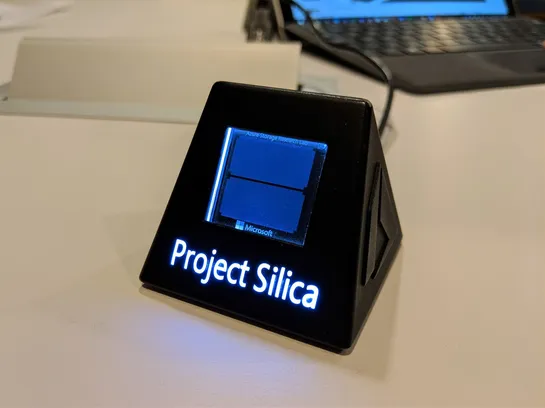
Microsoft Project Silica: Your Data, Stored in a Pyrex Dish, for 10,000 Years

Microsoft's Project Silica encodes data in borosilicate glass using femtosecond lasers, offering long-term storage for up to 10,000 years. This method overcomes traditional storage limitations and is cost-effective, though write speed remains a challenge. The research phase is complete, but no product release has been announced.

Microsoft Project Silica: Your Data, Stored in a Pyrex Dish, for 10,000 Years
News FAUN.dev() Team
@varbear shared an update, 1 month, 3 weeks ago
FAUN.dev()

Operating Systems as Age Gatekeepers: The Law That Could Reshape the Internet

California's Digital Age Assurance Act mandates operating systems to share users' age data with app developers via a real-time API by 2027. The law faces criticism for depending on self-reported ages, potentially affecting its efficacy.

Link
@varbear shared a link, 1 month, 3 weeks ago
FAUN.dev()

The Great Developer Divide: How AI Is Reshaping the Software Job Market Into Three Tiers

AI hiring has split dev work into three camps:Apex Tier,Hybrid Middle, and a shrinkingAutomatable Tail. Demand now favorsAI orchestration,prompt engineering, fastcode reading, and platform roles likeplatform engineer,fleet supervisor, andAI QA. System shift:Organizations must rework career ladders, .. read more  

The Great Developer Divide: How AI Is Reshaping the Software Job Market Into Three Tiers
Link
@varbear shared a link, 1 month, 3 weeks ago
FAUN.dev()

I deleted my laptop from my dev workflow. My iPhone does the job now

A developer ditches the laptop and SSHs from an iPhone into an always-onMac Mini. The phone becomes a terminal and browser. The remote runs the dev server, theClaude Code/CodexCLI, hot reload, file watching, and pushes viaTailscale. Persistent sessions (tmux) keep AI agents and services alive across.. read more  

I deleted my laptop from my dev workflow. My iPhone does the job now
Link
@varbear shared a link, 1 month, 3 weeks ago
FAUN.dev()

We Might All Be AI Engineers Now

The author supervises AI agents that orchestrate concurrent graph traversal, multi-layer hashing, AST parsing, and file system watchers. The agents run traversal, hashing, and watcher loops. The engineer architects system behavior, verifies outputs, and probes agents in parallel to debug... read more  

We Might All Be AI Engineers Now
Google Kubernetes Engine (GKE) offers a Kubernetes experience on Autopilot that manages the underlying compute infrastructure without the need for manual configuration or monitoring. It provides container-native networking and security features, prebuilt Kubernetes applications and templates, pod and cluster autoscaling, and automated tools for workload migration. GKE clusters consist of a control plane and nodes that run the services supporting the containers. Autopilot mode manages the complexity of the cluster while allowing you to deploy and run your apps easily. The common uses of GKE include continuous integration and delivery, migrating workloads, and deploying and running applications. GKE pricing is based on the mode of operation, cluster management fees, and applicable multi-cluster ingress fees, with a free tier and a pricing calculator available to estimate costs. You can also connect with Google's sales team to get a custom quote for your organization or start your proof of concept.