Join us

ContentUpdates and recent posts about Flask..
News FAUN.dev() Team
@devopslinks shared an update, 5ย months, 3ย weeks ago
FAUN.dev()

Debian 13.2 Is Out: New Updates, Strong Security, and Years of Support Ahead

#DevOpsย  #linuxย  #Debian ...ย  #Trixieย  #Sysadmi...ย 
Debian

Debian 13.2 Trixie, released on November 25th, 2025, offers significant updates, new software packages, and supports multiple architectures, emphasizing versatility for desktops and servers.
Debian 13 Trixie
News FAUN.dev() Team Trending
@varbear shared an update, 5ย months, 3ย weeks ago
FAUN.dev()

GitHubโ€™s New Raptor Mini Makes Copilot Smarter - and Itโ€™s Free (for Now)

GitHub Copilot Visual Studio Code

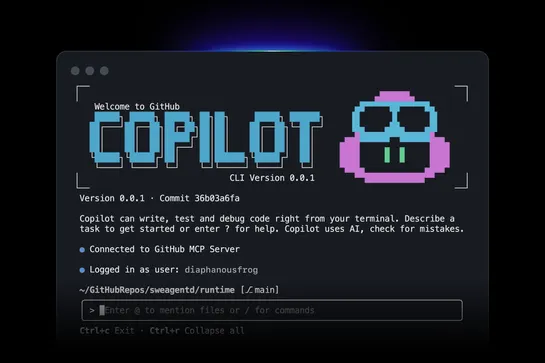
GitHub introduces Raptor mini for Copilot in VS Code, expanding AI capabilities for Pro and Free users.

GitHubโ€™s New Raptor Mini Makes Copilot Smarter - and Itโ€™s Free (for Now)
News FAUN.dev() Team
@kaptain shared an update, 5ย months, 3ย weeks ago
FAUN.dev()

Microsoft Defender Now Blocks Pod Privilege Escalation

JFrog Artifactory Microsoft Defender for Cloud

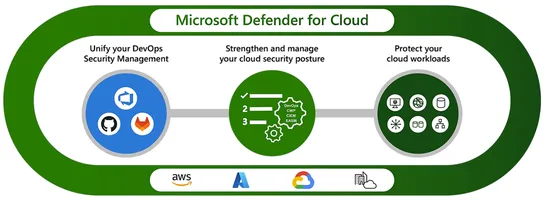
Microsoft Defender for Cloud enhances Kubernetes security with new features, updates container vulnerability re-scan policies, and expands support for Jfrog Artifactory and Docker Hub.

Microsoft Defender Now Blocks Pod Privilege Escalation
Story
@laura_garcia shared a post, 5ย months, 3ย weeks ago
Software Developer, RELIANOID

๐—” ๐—ก๐—ฒ๐˜„ ๐—ฆ๐˜๐—ฟ๐—ฎ๐˜๐—ฒ๐—ด๐—ถ๐—ฐ ๐—ฃ๐—ฎ๐—ฟ๐˜๐—ป๐—ฒ๐—ฟ๐˜€๐—ต๐—ถ๐—ฝ ๐—•๐—ฒ๐—ด๐—ถ๐—ป๐˜€: ๐—ฅ๐—˜๐—Ÿ๐—œ๐—”๐—ก๐—ข๐—œ๐—— ๐˜… ๐—ข๐—ซ๐—ฌ ๐—ฆ๐—ผ๐—น๐˜‚๐˜๐—ถ๐—ผ๐—ป๐˜€

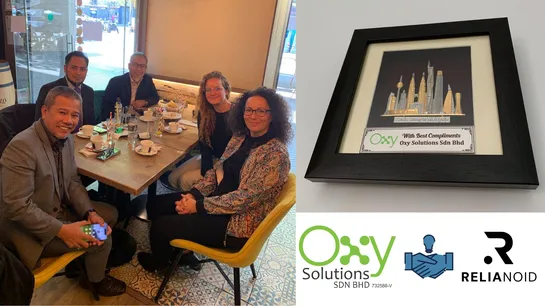
We are thrilled to announce that ๐—ข๐—ซ๐—ฌ ๐—ฆ๐—ผ๐—น๐˜‚๐˜๐—ถ๐—ผ๐—ป๐˜€ โ€” ๐˜”๐˜ข๐˜ญ๐˜ข๐˜บ๐˜ด๐˜ช๐˜ขโ€™๐˜ด ๐˜•๐˜ฐ.๐Ÿญ ๐˜›๐˜ฆ๐˜ค๐˜ฉ๐˜ฏ๐˜ฐ๐˜ญ๐˜ฐ๐˜จ๐˜บ ๐˜š๐˜ฐ๐˜ญ๐˜ถ๐˜ต๐˜ช๐˜ฐ๐˜ฏ ๐˜—๐˜ณ๐˜ฐ๐˜ท๐˜ช๐˜ฅ๐˜ฆ๐˜ณ โ€” is now RELIANOIDโ€™s exclusive partner in Malaysia. This week, we had the pleasure of welcoming part of the ๐—ข๐—ซ๐—ฌ ๐—ฆ๐—ผ๐—น๐˜‚๐˜๐—ถ๐—ผ๐—ป๐˜€ ๐˜๐—ฒ๐—ฎ๐—บ ๐˜๐—ผ ๐—ฆ๐—ฒ๐˜ƒ๐—ถ๐—น๐—น๐—ฒ, where we shared valuable discussions about the future, explored new..

Oxy Solutions and RELIANOID partnership
Story
@laura_garcia shared a post, 5ย months, 3ย weeks ago
Software Developer, RELIANOID

๐Ÿ”’ The Future of Cyber Security โ€“ Newcastle 2025

๐Ÿ“ November 18 | The Glasshouse, Gateshead RELIANOID joins top experts and leaders at this one-day event to explore the UKโ€™s evolving cyber defence strategy โ€” from AI-driven threats to major breach lessons. Meet our team and discover how we strengthen digital resilience with intelligent ADC and secur..

the future of cybersecurity newcastle relianoid
Story
@laura_garcia shared a post, 5ย months, 3ย weeks ago
Software Developer, RELIANOID

๐ŸŒŸ ๐–๐žโ€™๐ซ๐ž ๐‡๐ข๐ซ๐ข๐ง๐ ! ๐‰๐จ๐ข๐ง ๐ญ๐ก๐ž ๐‘๐„๐‹๐ˆ๐€๐๐Ž๐ˆ๐ƒ ๐“๐ž๐š๐ฆ ๐ŸŒŸ

Are you passionate about technology, networking, and innovation? At RELIANOID, weโ€™re building cutting-edge solutions that power secure, scalable, and reliable infrastructures โ€” and weโ€™re looking for talented people to join us on this journey! - Whether youโ€™re an experienced professional or just star..

News FAUN.dev() Team
@devopslinks shared an update, 5ย months, 3ย weeks ago
FAUN.dev()

2025's Cloud Native Reality Check: Who's In, Who's Lagging

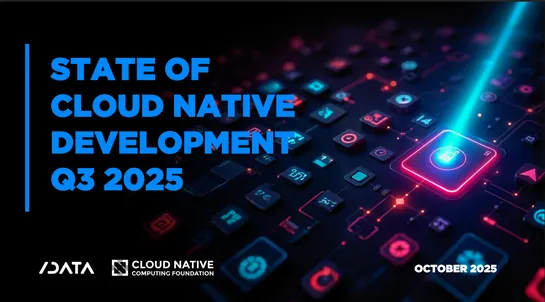
As of Q3 2025, 56% of backend developers qualify as cloud native, driven by strong adoption of API gateways and microservices, alongside growing use of hybrid (30%) and multi-cloud (23%) deployments across the developer ecosystem.

Cloud Native Report Q3 2025
Story
@laura_garcia shared a post, 5ย months, 3ย weeks ago
Software Developer, RELIANOID

๐Ÿ” Preparing for the Post-Quantum Era

Quantum computing is no longer a distant threat โ€” itโ€™s a coming reality that could render todayโ€™s encryption obsolete. Post-Quantum Cryptography (PQC) is the next frontier in securing digital infrastructure, and organizations need crypto agility to adapt fast. At RELIANOID, weโ€™re already building fo..

Link
@varbear shared a link, 5ย months, 4ย weeks ago
FAUN.dev()

Dead framework theory

LLM dev tools keep steering straight into React. System prompts hardwire it. Generated code defaults to it. The result? A feedback loop. Tools crank out React, models get trained on more React, and newcomers inherit the bias. Whatโ€™s changing:React isnโ€™t just a framework anymore. Itโ€™s sliding into in.. read more ย 

Dead framework theory
Link
@varbear shared a link, 5ย months, 4ย weeks ago
FAUN.dev()

From web developer to database developer in 10 years

EnterpriseDB is leveling upPostgres Distributed, the spiritual successor topglogical. Now withreplicated DDLandtunable consistencyacross clusters. It's mostly C and Rust under the hood - tight hooks into Postgres internals, with APIs that nod at abstraction but stay close to the core... read more ย 

Flask is an open-source web framework written in Python and created by Armin Ronacher in 2010. It is known as a microframework, not because it is weak or incomplete, but because it provides only the essential building blocks for developing web applications. Its core focuses on handling HTTP requests, defining routes, and rendering templates, while leaving decisions about databases, authentication, form handling, and other components to the developer. This minimalistic design makes Flask lightweight, flexible, and easy to learn, but also powerful enough to support complex systems when extended with the right tools.

At the heart of Flask are two libraries: Werkzeug, which is a WSGI utility library that handles the low-level details of communication between web servers and applications, and Jinja2, a templating engine that allows developers to write dynamic HTML pages with embedded Python logic. By combining these two, Flask provides a clean and pythonic way to create web applications without imposing strict architectural patterns.

One of the defining characteristics of Flask is its explicitness. Unlike larger frameworks such as Django, Flask does not try to hide complexity behind layers of abstraction or dictate how a project should be structured. Instead, it gives developers complete control over how they organize their code and which tools they integrate. This explicit nature makes applications easier to reason about and gives teams the freedom to design solutions that match their exact needs. At the same time, Flask benefits from a vast ecosystem of extensions contributed by the community. These extensions cover areas such as database integration through SQLAlchemy, user session and authentication management, form validation with CSRF protection, and database migration handling. This modular approach means a developer can start with a very simple application and gradually add only the pieces they require, avoiding the overhead of unused components.

Flask is also widely appreciated for its simplicity and approachability. Many developers write their first web application in Flask because the learning curve is gentle, the documentation is clear, and the framework itself avoids unnecessary complexity. It is particularly well suited for building prototypes, REST APIs, microservices, or small to medium-sized web applications. At the same time, production-grade deployments are supported by running Flask applications on WSGI servers such as Gunicorn or uWSGI, since the development server included with Flask is intended only for testing and debugging.

The strengths of Flask lie in its minimalism, flexibility, and extensibility. It gives developers the freedom to assemble their application architecture, choose their own libraries, and maintain tight control over how things work under the hood. This is attractive to experienced engineers who dislike being boxed in by heavy frameworks. However, the same freedom can become a limitation. Flask does not include features like an ORM, admin interface, or built-in authentication system, which means teams working on very large applications must take on more responsibility for enforcing patterns and maintaining consistency. In situations where a project requires an opinionated, all-in-one solution, Django or another full-stack framework may be a better fit.

In practice, Flask has grown far beyond its initial positioning as a lightweight tool. It has been used by startups for rapid prototypes and by large companies for production systems. Its design philosophyโ€”keep the core simple, make extensions easy, and let developers decideโ€”continues to attract both beginners and professionals. This balance between simplicity and power has made Flask one of the most enduring and widely used Python web frameworks.