Join us

ContentUpdates and recent posts about Botkube..
Link
@kaptain shared a link, 6 months ago
FAUN.dev()

The State of OCI Artifacts for AI/ML

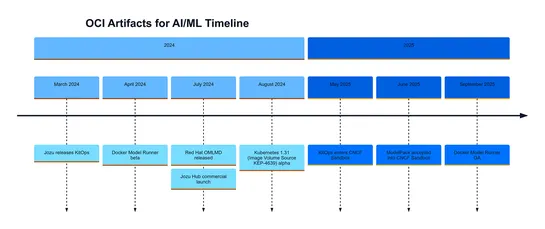
OCI artifacts quietly leveled up. Over the last 18 months, they’ve gone from a niche hack to production muscle for AI/ML workloads on Kubernetes. The signs? Clear enough:KitOpsandModelPacklanded in the CNCF Sandbox. Kubernetes 1.31 got native support forImage Volume Source. Docker pushedModel Runner.. read more  
The State of OCI Artifacts for AI/ML
Link
@kaptain shared a link, 6 months ago
FAUN.dev()

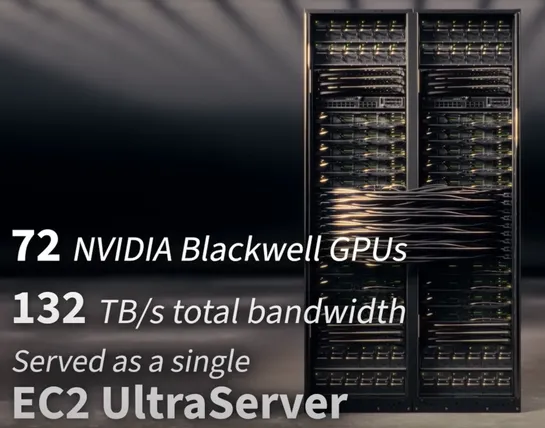
Unlocking next-generation AI performance with Dynamic Resource Allocation on Amazon EKS and Amazon EC2 P6e-GB200

Amazon just droppedEC2 P6e-GB200 UltraServers, packingNVIDIA GB200 Grace Blackwellchips. Built for running trillion-parameter AI models onAmazon EKSwithout losing sleep over scaling. Under the hood:NVLink 5.0,IMEX, andEFAv4stitch up to 72 Blackwell GPUs into one memory-coherent cluster per UltraServ.. read more  

Unlocking next-generation AI performance with Dynamic Resource Allocation on Amazon EKS and Amazon EC2 P6e-GB200
Link
@kala shared a link, 6 months ago
FAUN.dev()

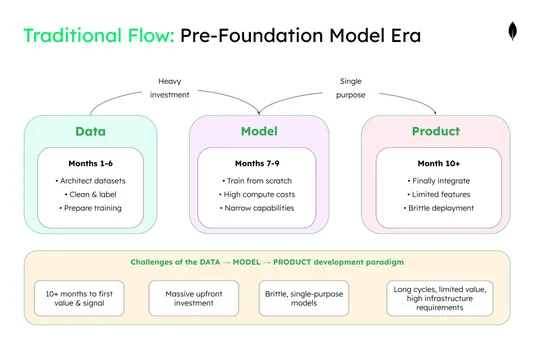
Build AI Agents Worth Keeping: The Canvas Framework

MIT and McKinsey found a gap the size of the Grand Canyon: 80% of companies claim they’re using generative AI, but fewer than 1 in 10 use cases actually ship. Blame it on scattered data, fuzzy goals, and governance that's still MIA. A new stack is stepping in:product → agent → data → model. It flips.. read more  

Build AI Agents Worth Keeping: The Canvas Framework
Link
@kala shared a link, 6 months ago
FAUN.dev()

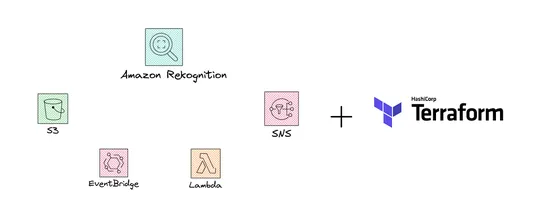
Detect inappropriate images in S3 with AWS Rekognition + Terraform

A serverless AWS pipeline runs image moderation on autopilot - withS3,Lambda,Rekognition,SNS, andEventBridgeall wired up throughTerraform. When a photo gets flagged, it’s tagged, maybe quarantined, and triggers an email alert. Daily scan? Handled... read more  

Detect inappropriate images in S3 with AWS Rekognition + Terraform
Link
@kala shared a link, 6 months ago
FAUN.dev()

Grokipedia

Grokipedia just dropped - a Wikipedia remix built from LLM output, pitched as an escape from "woke" bias. The pitch? Bold. The execution? Rough. Entries run long. Facts bend. Citations wander. And the tone? Cold, context-free, and unmistakably machine-made. The usual LLM suspects are here: hallucina.. read more  

Link
@kala shared a link, 6 months ago
FAUN.dev()

New trend: Programming by kicking off parallel AI agents

Senior engineers are starting to spin upparallel AI coding agents- think Claude Code, Cursor, and the like - to run tasks side by side. One agent sketches boilerplate. Another tackles tests. A third refactors old junk. All at once. Is it "multitasking on steroids"? Not just this as it messes with ho.. read more  

Link
@kala shared a link, 6 months ago
FAUN.dev()

Why GPUs accelerate AI learning: The power of parallel math

Modern AI eats GPUs for breakfast - training, inference, all of it. Matrix ops? Parallel everything. Models like LLaMA don’t blink without a gang of H100s working overtime... read more  

Why GPUs accelerate AI learning: The power of parallel math
Link
@kala shared a link, 6 months ago
FAUN.dev()

Agentic AI and Security

Agentic LLM apps come with a glaring security flaw: they can't tell the difference between data and code. That blind spot opens the door to prompt injection and similar attacks. The fix? Treat them like they're radioactive. Run sensitive tasks in containers. Break up agent workflows so they never ju.. read more  

Agentic AI and Security
Link
@devopslinks shared a link, 6 months ago
FAUN.dev()

More Than DNS: The 14 hour AWS us-east-1 outage

AWS’s us-east-1 faceplanted for 14 hours after arace conditioninDynamoDBkicked off a DNS meltdown, taking down 140 services. EC2 buckled under acongestive collapse, overwhelmed by a backup in DropletWorkflow Manager queues. Meanwhile, NLB health checks kept firing blanks - tricked by stale network s.. read more  

More Than DNS: The 14 hour AWS us-east-1 outage
Link
@devopslinks shared a link, 6 months ago
FAUN.dev()

How We Saved $500,000 Per Year by Rolling Our Own “S3”

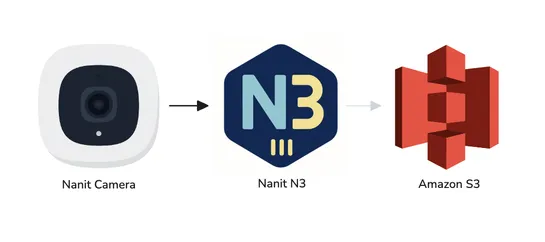
Nanit ditched S3’s PutObject-heavy ingest path and built a customRust-based in-memory landing zone (N3). It cut ~$500K/year in storage ops. N3 grabs short-lived video chunks straight into RAM and only spills to S3 when it has to. Ordering stays tight thanks toSQS FIFO, and fallback kicks in clean wh.. read more  

How We Saved $500,000 Per Year by Rolling Our Own “S3”
Botkube is a Kubernetes-centric chatbot that aids in Kubernetes troubleshooting and provides valuable insights for various aspects of Kubernetes operations. This open-source tool integrates with popular messaging platforms like Slack and helps streamline Kubernetes management and problem-solving processes.

Key functionalities of Botkube include:

Alert Notifications: Botkube can be configured to receive and relay alerts from various monitoring tools (e.g., Prometheus, Grafana) directly to your team's communication platform, ensuring prompt incident awareness.

Kubernetes Event Monitoring: It continuously monitors Kubernetes cluster events, offering real-time information on changes and issues within your cluster, such as pod crashes or node failures.

Troubleshooting Assistance: Botkube can provide context-sensitive guidance and suggestions for debugging and resolving common Kubernetes problems, making it a valuable resource for both beginners and experienced Kubernetes users.

Resource Management: It can assist in resource optimization by providing recommendations for scaling deployments, managing resource quotas, and handling updates to your applications.

Security Insights: Botkube can help maintain Kubernetes security by alerting you to security breaches, unauthorized access, and vulnerabilities, allowing you to take immediate action.

Customization: Botkube is highly customizable, allowing you to tailor it to your specific needs and integrate it with other tools and scripts in your Kubernetes ecosystem.

In summary, Botkube serves as a Kubernetes assistant that enhances communication and awareness within your team while providing automated support for troubleshooting, monitoring, and managing your Kubernetes clusters, ultimately contributing to a more efficient and reliable Kubernetes operation.