Join us

ContentUpdates and recent posts about Artifactory..
Story
@squadcast shared a post, 1 year, 6 months ago

Scaling Site Reliability Engineering Teams the Right Way

This blog post discusses how to scale Site Reliability Engineering (SRE) teams effectively. It emphasizes that adding more people is not always the best solution and explores alternative methods such as utilizing SRE tools and improving processes.

The blog post highlights specific categories of SRE tools that can help teams handle more load, reduce errors and rework, eliminate certain tasks, and delegate work to other teams. It cautions against implementing these tools without a cost-benefit analysis as they can be expensive and disruptive.

When adding people to the team is necessary, the post advises on capacity planning including using data to project workload and considering the experience level of new hires. It also emphasizes the importance of building a diverse team with the right cultural fit.

Story
@squadcast shared a post, 1 year, 6 months ago

Reduce Alert Noise and Streamline Incident Management with Key-Based Deduplication

This blog post discusses how IT alerting software can be overloaded with redundant notifications, making it difficult to identify and resolve critical incidents. It introduces key-based deduplication as a solution to this problem. Key-based deduplication helps group similar alerts together based on user-defined criteria, reducing alert noise and allowing IT teams to prioritize effectively. The blog also explains the difference between key-based deduplication and alert deduplication rules, and provides a step-by-step guide for setting up key-based deduplication in Squadcast, an IT alerting software platform. Finally, it highlights the benefits of using key-based deduplication, including reduced alert noise, improved prioritization, optimized resource allocation, and mitigated alert fatigue.

Story
@adammetis shared a post, 1 year, 6 months ago
DevRel, Metis

Forget your database exists! Leave it to Metis

As developers, we all strive to keep our systems in shape. We maintain them, we review metrics and logs, and we react to alerts. We do whatever it takes to make sure that our systems do not break, especially databases that are crucial to our applications. Wouldn’t it be great if there was no need to do the maintenance at all? Would you like to just have tools that could take care of your databases and let you forget that they exist altogether? Read on how to do that.

Forget your databases exist@3x
Story
@squadcast shared a post, 1 year, 6 months ago

Effective Incident Postmortems: Learn from Every Outage

This blog post explains what incident postmortems are and why they are important. It details the steps involved in conducting an effective incident postmortem, including creating a timeline, holding a meeting, and capturing key details. The importance of a blameless environment is emphasized. The blog post concludes by recommending resources for further reading on the topic.

Story
@squadcast shared a post, 1 year, 6 months ago

The Vital Role of SRE Observability in Ensuring System Reliability

This blog post explains the importance of SRE observability for building reliable systems. Observability, unlike traditional monitoring, goes beyond just checking if something is wrong. It allows SREs to understand what's happening inside a system by looking at its external outputs like metrics, traces, and logs. This data is crucial for troubleshooting, maintaining, and developing scalable systems.

The blog post also highlights the benefits of SRE observability for businesses. By understanding user satisfaction through SLOs (Service Level Objectives), businesses can make better decisions about feature development and resource allocation. Additionally, observability tools can reduce the workload for engineers by automating tasks and providing better insights into system behavior. Overall, SRE observability is essential for ensuring system reliability and business success.

Link
@faun shared a link, 1 year, 6 months ago
FAUN.dev()

Cloud Run and Cloud Storage…now a perfect match

This article describes the recent feature enhancement to Cloud Run allowing Cloud Storage bucket to be mounted as a Container volume. With the introduction of Cloud Storage mounts in Cloud Run, you can now mount Cloud Storage buckets as volumes within Cloud Run containers without utilizing additiona.. read more  

Cloud Run and Cloud Storage…now a perfect match
Link
@faun shared a link, 1 year, 6 months ago
FAUN.dev()

How Ahrefs gets a Billion dollar-worth infrastructure with a 90% discount

AWS OnDemand vs AWS Reserved Instances: The infrastructure costs can skyrocket with AWS OnDemand, while switching to a serverless architecture can cut costs significantly. The potential for cost savings with AWS serverless setups is clear. It's important to carefully consider all options to optimize.. read more  

How Ahrefs gets a Billion dollar-worth infrastructure with a 90% discount
Link
@faun shared a link, 1 year, 6 months ago
FAUN.dev()

Distributed Tracing for Distributed System: Save Your Time & Company

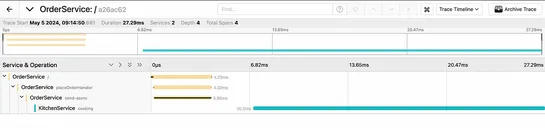
Nowadays, one should absolutely respect these rules: 1) Building a microservice distributed system without proper monitoring/observability tools can be challenging as it may be hard to identify the root cause of bottlenecks. 2) Understanding the basics of distributed systems, such as how they consis.. read more  

Distributed Tracing for Distributed System: Save Your Time & Company
Link
@faun shared a link, 1 year, 6 months ago
FAUN.dev()

Scaling PHP Applications with RoadRunner

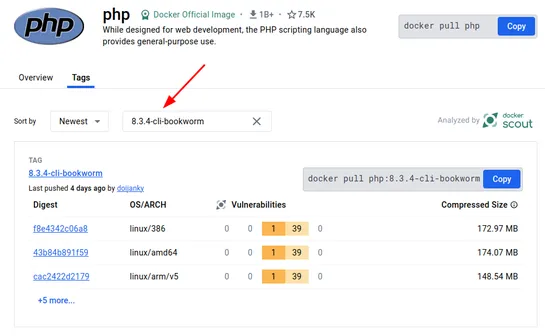
Application servers like RoadRunner use long-lived PHP processes to handle multiple requests without constantly bootstrapping new execution environments, reducing overhead and improving performance. This tutorial will guide you through developing a PHP application on RoadRunner, explaining its setup.. read more  

Scaling PHP Applications with RoadRunner
Link
@faun shared a link, 1 year, 6 months ago
FAUN.dev()

Distributed Circuit Breakers in Event-Driven Architectures on AWS

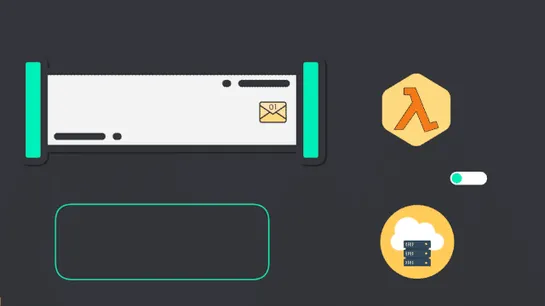
Understand how circuit breakers work in event-driven architectures, including the stateful checks and handling of slow requests. Implementations in serverless architectures, like using Elasticache for state storage, are discussed. Recommended resources for further reading and considerations for high.. read more  

Distributed Circuit Breakers in Event-Driven Architectures on AWS

This tool doesn't have a detailed description yet. If you are the administrator of this tool, please claim this page and edit it.