Join us

ContentUpdates from Levelop.dev...
Link
@kala shared a link, 4 months ago
FAUN.dev()

The Rise of GPUOps: Where Infrastructure Meets Thermodynamics

GPU demand for AI has shot up 600% since 2020. It’s outpaced the cloud abstractions devs rely on - highlighting a growing gap between slick DevOps dashboards and the gritty realities of heat, cost, and silicon. EnterGPUOps. It's not just a trend - it’s a new layer in the stack. Think observability w.. read more  

The Rise of GPUOps: Where Infrastructure Meets Thermodynamics
Link
@devopslinks shared a link, 4 months ago
FAUN.dev()

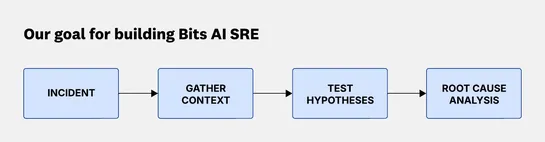
How we built an AI SRE agent that investigates like a team of engineers

Datadog just droppedBits AI SRE, an autonomous agent that thinks more like an SRE than a chatbot. It doesn't just regurgitate summaries - it investigates. It builds hypotheses, tests them against telemetry, and chases down actual root causes. Older tools leaned hard on LLMs to summarize alerts. That.. read more  

How we built an AI SRE agent that investigates like a team of engineers
Link
@devopslinks shared a link, 4 months ago
FAUN.dev()

Preparing for Post-Quantum Cryptography

NIST locked in itsPost-Quantum Cryptography (PQC) standardsin August 2024. The countdown’s on: U.S. federal systems need to make the leap by 2035. Wiz jumped early with aPQC Security Framework. It scans for shaky encryption, maps your crypto assets, and flags what’s PQC-ready, all cloud-wide, using .. read more  

Preparing for Post-Quantum Cryptography
Link
@devopslinks shared a link, 4 months ago
FAUN.dev()

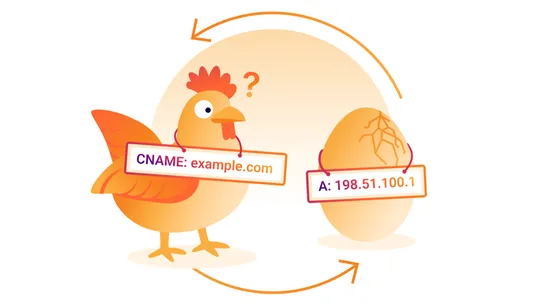
What came first: the CNAME or the A record?

A recent change to 1.1.1.1 accidentally altered the order of CNAME records in DNS responses, breaking resolution for some clients. This post explores the technical root cause, examines the source code of affected resolvers, and dives into the inherent ambiguities of the DNS RFCs... read more  

What came first: the CNAME or the A record?
Link
@devopslinks shared a link, 4 months ago
FAUN.dev()

The best tools for bare metal automation that people actually use

Bare metal ops aren’t what they used to be. The game’s gone full stack:API-driven provisioning,declarative workflows, andconfig convergencenow run the show. Tools likeMAAS,Foreman,Ironic, andTinkerbelltreat physical servers as programmable units. Real hardware, real APIs. Meanwhile,Kubernetes-native.. read more  

The best tools for bare metal automation that people actually use
Link
@devopslinks shared a link, 4 months ago
FAUN.dev()

SSH has no Host header

A dev built a custom SSH proxy that punches through IPv4 limits without handing out public IPs like candy. Their trick:shared IPv4s with per-user relative IP mapping. It maps incoming SSH traffic to the right VM using thesource IPandpublic key combo. No Host header? No problem. They sidestep that ho.. read more  

Link
@devopslinks shared a link, 4 months ago
FAUN.dev()

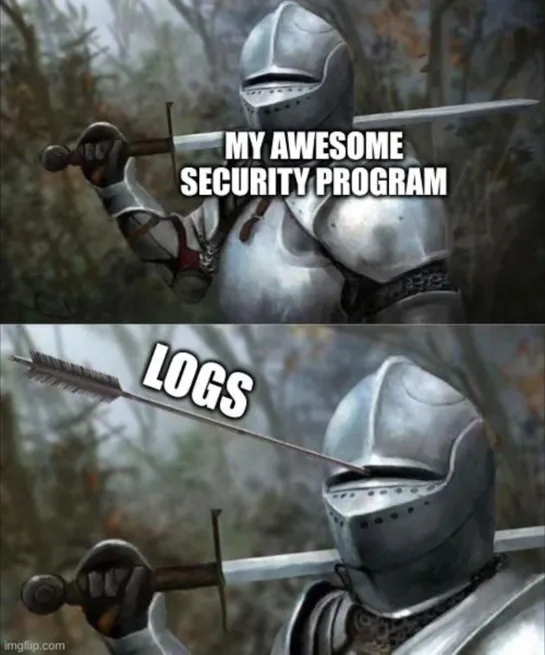
Keeping Secrets Out of Logs

A new writeup lays out a layered plan to keep secrets out of logs, no silver bullets here, just ten solid "lead bullets" that actually stack. Think of it as defense in depth for log hygiene. Highlights include: Type-safe domain primitives for secrets, Taint-based static analysis, Read-once secret wr.. read more  

Keeping Secrets Out of Logs
News FAUN.dev() Team
@varbear shared an update, 4 months ago
FAUN.dev()

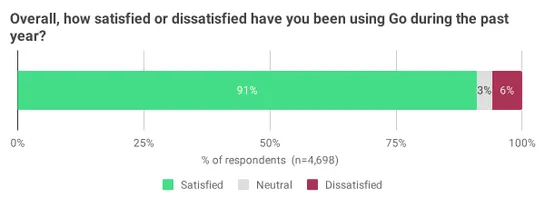
Go Developer Survey Is Out: What 5,379 Go Developers Actually Want Next

#Develop...  #GoLang  #Go Deve...  #AI  #Go 
Go Amazon Web Services Visual Studio Code

The 2025 Go Developer Survey reveals developers' desire for better best practices, enhanced standard library usage, and modernized tooling. AI-powered development tools are common, yet satisfaction is moderate due to quality concerns. Most respondents are experienced developers in the tech industry, highlighting challenges like ensuring code quality and finding reliable modules.

Go Developer Survey Is Out: What 5,379 Go Developers Actually Want Next
News FAUN.dev() Team
@kala shared an update, 4 months ago
FAUN.dev()

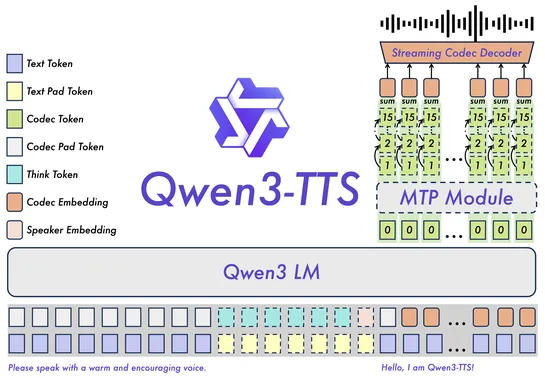
Qwen3-TTS Series Released: This Open-Source Model Can Clone Your Voice in 3 Seconds

The Qwen3-TTS series introduces open-source models for speech generation, voice design, and cloning, available in 1.7B and 0.6B sizes. These models support 10 languages and offer features like rapid voice cloning and style control. They excel in multilingual capabilities and efficient speech signal processing.

Qwen3-TTS Series Released: This Open-Source Model Can Clone Your Voice in 3 Seconds
News FAUN.dev() Team
@devopslinks shared an update, 4 months ago
FAUN.dev()

The Cloud Native Tipping Point: What 689 Companies Just Revealed

Argo CD Flux GitHub Actions Kubernetes

The CNCF Annual Cloud Native Survey reveals 98% of organizations now use cloud native technologies, with Kubernetes playing a crucial role in AI infrastructure. Multi-cloud and hybrid strategies are prevalent, and the main challenge has shifted to cultural changes within development teams.

The Cloud Native Tipping Point: What 689 Companies Just Revealed
Levelop is an interview preparation platform designed specifically for working software engineers (typically with 2–6 years of experience) who want to land jobs at top-tier tech companies.

Instead of just handing you endless lists of problems or passive videos to watch, Levelop uses an active, AI-guided approach to help you build the right mental models for tough technical interviews.

Here is how it works:

Two Specialized AI Mentors: * Orion (Coding AI): Instead of just telling you that your code is wrong, Orion steps in when your code fails, maps out where your knowledge gap is, and guides you to fix it yourself.

Aurora (System Design AI): Rather than making you watch a 40-minute video, Aurora has a live conversation with you to explain foundational system design concepts before you even start drawing on the canvas.

Sprint-Based Practice: You practice in structured loops called "sprints," which combine both Data Structures & Algorithms (DSA) and system design problems.

Actionable Feedback Loop: At the end of every sprint, you receive a detailed report. It scores your technical skills, gives you a behavioral profile, and ranks the exact weaknesses you need to focus on during your next sprint.

In short, it is a smart, interactive practice arena that focuses on actively fixing your specific weaknesses rather than just tracking how many hours you spend studying.