Join us

ContentUpdates from FAUN.dev()...
Link
@devopslinks shared a link, 3 months, 1 week ago
FAUN.dev()

Why Serverless Compute Partners Are Now More Important Than Ever

The note saysAIworkloads are bursty. They spawn parallel tool calls, pull multi‑GB model weights into RAM, and endure long cold starts (e.g.,vLLM,SGLang). Companies wrestle with a fragmentedGPUmarket and poor peakGPU utilization. To hit latency, compliance, and cost targets they adoptmulti‑region/mu.. read more  
Why Serverless Compute Partners Are Now More Important Than Ever
Link
@devopslinks shared a link, 3 months, 1 week ago
FAUN.dev()

AWS Cost Optimization Best Practices: A Maturity-Based Guide [2026]

The guide maps a five-stagematurity model— fromVisibilitytoFinOps Culture. It prescribes staged actions before commitment purchases. It recommends turning onCost ExplorerandAWS Budgets, enforcingtag policies, runningCompute Optimizer, testingGraviton, and usingCloudBurn/Amazon Qfor pre-deploy estima.. read more  

Story
@shubham321 shared a post, 3 months, 1 week ago
Software engineer, Keploy

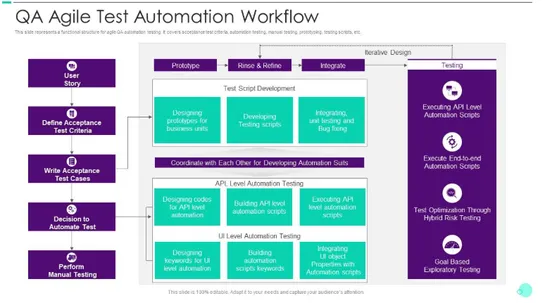
What Is QA Automation? Benefits, Tools, Challenges & Future

QA automation is a modern software testing approach that uses automated tools and frameworks to execute test cases efficiently and consistently. Instead of relying solely on manual testing, QA automation enables teams to validate application functionality, performance, and reliability at every stage of the development lifecycle. It plays a crucial role in Agile and DevOps environments, where frequent code changes and faster release cycles demand continuous testing.

One of the biggest advantages of QA automation is speed. Automated tests can run in minutes, allowing teams to detect defects early and provide quick feedback to developers. This leads to improved software quality and reduced risk of critical issues reaching production. Automation also enhances accuracy by eliminating human errors that commonly occur in repetitive manual testing tasks.

qa automation
Story
@suarezsara shared a post, 3 months, 1 week ago

Why SharePoint Application Development Still Powers Enterprise Collaboration in 2026

Learn how businesses use SharePoint for workflow automation, seamless Microsoft 365 integration, and enhanced governance.

Story Keploy Team
@sancharini shared a post, 3 months, 1 week ago

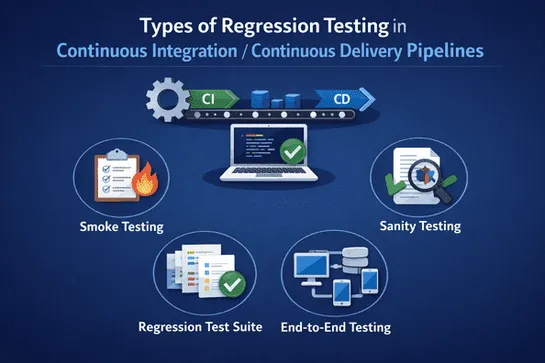
Types of Regression Testing in CI/CD Pipelines

Learn how different types of regression testing in CI/CD pipelines help teams detect defects early, maintain software quality, and reduce production risks while optimizing automated workflows.

Types of Regression Testing in CI/CD Pipelines
Story Keploy Team
@sancharini shared a post, 3 months, 1 week ago

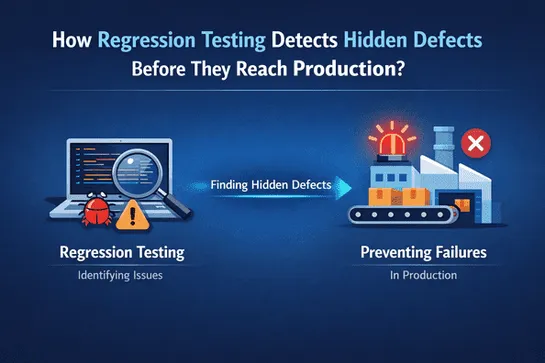
How Regression Testing Detects Hidden Defects Before They Reach Production?

Understand how regression testing helps teams identify hidden defects early, maintain system stability, and prevent production issues using effective testing strategies and regression testing tools.

How Regression Testing Detects Hidden Defects Before Production
Story
@elenamia shared a post, 3 months, 1 week ago
Technical Consultant, Damco Solutions

Is Your Application Evolving or Aging? The Role of Software Maintenance Services in Continuous Improvement

Read this blog to learn how software maintenance services fuel continuous improvement, prevent downtime, and protect your digital investments.

126795
Story
@marxjenes shared a post, 3 months, 1 week ago

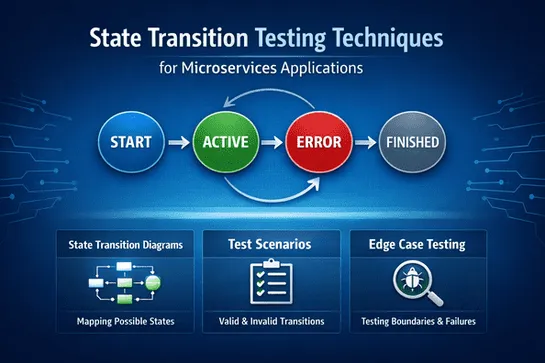
State Transition Testing Techniques for Microservices Applications

Learn effective state transition testing techniques for microservices applications. Ensure reliable service behavior, validate workflows, and strengthen regression testing in CI/CD pipelines.

State Transition Testing Techniques for Microservices Applications
 Activity
@kala added a new tool Claude Code , 3 months, 1 week ago.
News Trending
@kala shared an update, 3 months, 1 week ago
FAUN.dev()

NanoClaw Brings Container-Isolated AI Agents to WhatsApp and Telegram

NanoClaw OpenClaw Claude Code

NanoClaw is a lightweight open-source personal AI agent that runs locally and connects to apps like WhatsApp and Telegram. Built with only ~3,900 lines of code across 15 files, it uses container isolation to securely run agents and aims to offer a simpler, fully auditable alternative to large frameworks like OpenClaw.

FAUN.dev() is a developer-first platform built with a simple goal: help engineers stay sharp without wasting their time. It curates practical newsletters, thoughtful technical blogs, and useful developer tools that focus on signal over noise.

Created by engineers, for engineers, FAUN.dev() is where experienced developers turn to keep up with the fast-moving world of DevOps, Kubernetes, Cloud Native, AI, and modern programming. We handpick what matters and skip the fluff.

If it’s on FAUN.dev(), it’s worth your attention.

Beyond curation, we run a course marketplace (WIP) designed to keep developers current. These courses go deep into the subjects that shape real-world work—things like Kubernetes internals, modern DevOps workflows, cloud-native architecture, and using AI tools to build faster and smarter. It’s practical learning, taught by people who’ve done the work. Developers from companies like GitHub, Netflix, and Shopify already rely on FAUN.dev() to stay on top of their game. They trust us because we keep it real: no hype, no filler, just what you need to grow and do your best work. For sponsors and partners, FAUN.dev() offers access to a focused, engaged audience of technical professionals. This isn’t just another broad developer community—it’s a place where smart engineers go to get smarter. If you have something meaningful to offer them, you’ll be in good company. In short, FAUN.dev() is more than a content hub. It’s a place to grow, to learn, and to connect with what really matters in software today.