ContentPosts from @libertarian_meme..
Link
@faun shared a link, 1 year, 6 months ago
FAUN.dev()

Building LLaMA 3 From Scratch with Python

The architecture of LLaMA 3 is largely similar to LLaMA 2, and these are the key points to understand the technical details. LLaMA 3 features components like Pre-normalization using RMSNorm, SwiGLU activation function, Rotary Embeddings (RoPE), and the Byte Pair Encoding (BPE) algorithm from the tik.. read more  

Building LLaMA 3 From Scratch with Python
Link
@faun shared a link, 1 year, 6 months ago
FAUN.dev()

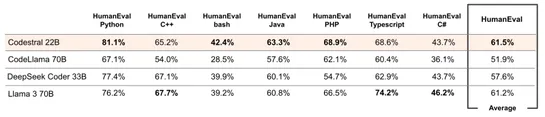
Mistral announces Codestral, its first programming focused AI model

The open, non-commercially licensed model specializes in more than 80 languages and already outperforms CodeLlama 70B and Deepseek Coder 33B... read more  

Mistral announces Codestral, its first programming focused AI model
Story
@squadcast shared a post, 1 year, 6 months ago

DevOps Automation Triumphs: Real-World Implementations for Streamlined Workflows

This blog post discusses DevOps automation and its benefits for streamlining workflows, reducing errors, and expediting software delivery. It explores real-world use cases such as CI/CD pipelines, Infrastructure as Code (IaC), and automated monitoring & alerting. The blog also addresses challenges like cultural resistance and skills gaps, providing solutions to overcome them. Here are the key takeaways:

DevOps automation automates software development, IT operations, and delivery tasks.

Benefits include faster deployments, fewer errors, and improved resource utilization.

Common use cases involve CI/CD, IaC, and automated monitoring & alerting.

Challenges include cultural resistance, skills gaps, and tool selection.

To succeed, continuously assess tools, prioritize learning, and embrace experimentation.

By adopting DevOps automation, teams can become leaders in delivering high-quality software faster and more efficiently.

Story
@squadcast shared a post, 1 year, 6 months ago

Golden Signals: Monitoring from Fundamental Principles for Zabbix and Nagios Users

Nagios Zabbix

This blog series explores how Zabbix and Nagios users can leverage the SRE Golden Signals for effective application monitoring. It focuses on the importance of monitoring for maintaining high availability and introduces the concept of SRE Golden Signals.

SRE Golden Signals: These are four core metrics (Latency, Traffic, Errors, Saturation) that provide a foundational understanding of a system's health.

The blog delves into Latency, explaining how to measure it from different perspectives (client vs server) and the importance of differentiating between successful and failed request latencies. It highlights how Zabbix and Nagios can be configured to address these aspects.

The summary mentions that future parts will explore the remaining Golden Signals (Traffic, Errors, Saturation) and even delve into strategies for incorporating additional metrics for more in-depth monitoring.

Story
@laura_garcia shared a post, 1 year, 6 months ago
Software Developer, RELIANOID

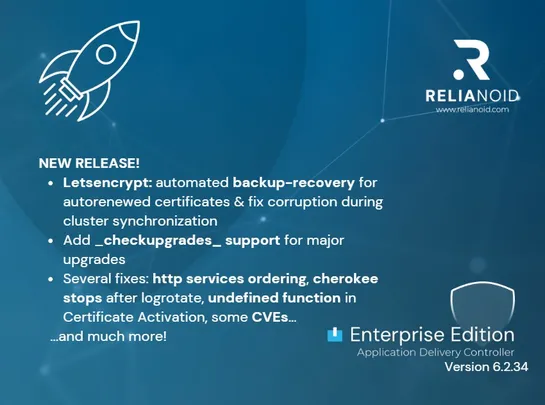
RELIANOID Enterprise Edition 6.2.34 released

❗ ❗ 🚀 Today is a good day! We have launched a new release of our Enterprise Edition! RELIANOID Load Balancer Enterprise Edition 6.2.34!! Would you like to try it? https://www.relianoid.com/blog/relianoid-load-balancer-enterprise-6-2-34-release-notes/ #release#enterprise#security#bugfixes#cherokee#le..

RELIANOID Enterprise Edition 6.2.34
Story
@adammetis shared a post, 1 year, 6 months ago
DevRel, Metis

From development to production what can go wrong with your databases (and how to avoid and fix them)

When running multi-tenant applications spanning hundreds of clusters and databases, it’s not uncommon to build extensive maintenance pipelines, monitoring, and on-call rotations to achieve database reliability. Many things can break, starting with bugs, inefficient queries written by developers, or inefficient configuration and indexing. Do you worry about your databases? You’re doing it wrong. Read on to see how to stop worrying and still have continuous database reliability.

From development to production what can go wrong with your databases@3x
Story
@laura_garcia shared a post, 1 year, 6 months ago
Software Developer, RELIANOID

Ensuring Cyber Resilience: Safeguarding Your Systems with Advanced Security Solutions

As businesses navigate an increasingly complex cybersecurity landscape, staying ahead of emerging threats is paramount. In light of recent advisories from VMware urging users to uninstall the deprecated Enhanced Authentication Plugin (EAP) due to critical security vulnerabilities, it's crucial for o..

vmware vulnerability RELIANOID
Story
@squadcast shared a post, 1 year, 6 months ago

Uptime Monitoring, Heartbeat Monitoring, and Synthetic Monitoring: A Comprehensive Comparison

This blog post explores three main types of monitoring systems used to monitor IT infrastructure: uptime monitoring, heartbeat monitoring, and synthetic monitoring.

Uptime monitoring tracks the availability of systems and alerts you when there's downtime.

Heartbeat monitoring provides real-time health checks on devices and ensures critical systems are operational.

Synthetic monitoring proactively simulates user interactions to identify performance issues before they impact real users.

The choice of monitoring system depends on your specific needs. Uptime monitoring is good for basic services, while synthetic monitoring is ideal for complex applications. Often, a combination of these methods is used for a comprehensive monitoring strategy.

The blog also mentions popular monitoring tools like New Relic vs Datadog vs Sentry for further exploration.

Story
@laura_garcia shared a post, 1 year, 6 months ago
Software Developer, RELIANOID

Linux Software Load Balancing

Ready to optimize your load balancer setup? Learn essential tips for performance and security in Linux environments! #LoadBalancing #PerformanceOptimization #CyberSecurity #LinuxSecurity #TechTips #ITSecurity #NetworkSecurity #DevOps #SysAdmin #DataProtection #InfoSec https://www.relianoid.com/resou..

KB Linux Load Balancing Software
Story
@squadcast shared a post, 1 year, 6 months ago

How to Make On-Call Rotations Less Stressful for Your Team

This blog post discusses methods to make on-call rotations less stressful for teams. It highlights the importance of clear procedures, shared responsibility, and proactive measures to reduce incident resolution time.

Key takeaways include:

Defined processes and communication: A well-defined framework, pre-holiday checklists, and clear communication around on-call expectations are crucial for reducing stress.

Fair on-call schedules: Distribute the workload among a larger team to avoid burnout, and utilize vacation modes to ensure coverage during absences.

Stable deployments: Minimize disruptions by avoiding deployments during weekends and holidays, and have rollback procedures in place.

Context-rich incidents: Add clear tags, severities, and relevant information to incidents to aid faster resolution.

Proactive incident management: Analyze trends and use SLOs and error budgets to predict and prevent potential issues.

Resolution plans: Develop playbooks or a knowledge base to guide on-call personnel through troubleshooting and resolution steps.

Incident management tools: Utilize tools like Squadcast Actions and runbooks to automate actions and expedite resolution.

By implementing these practices, companies can foster a healthier on-call environment and improve overall incident management.